How Can We All Work Together to Improve the Status of Basque?
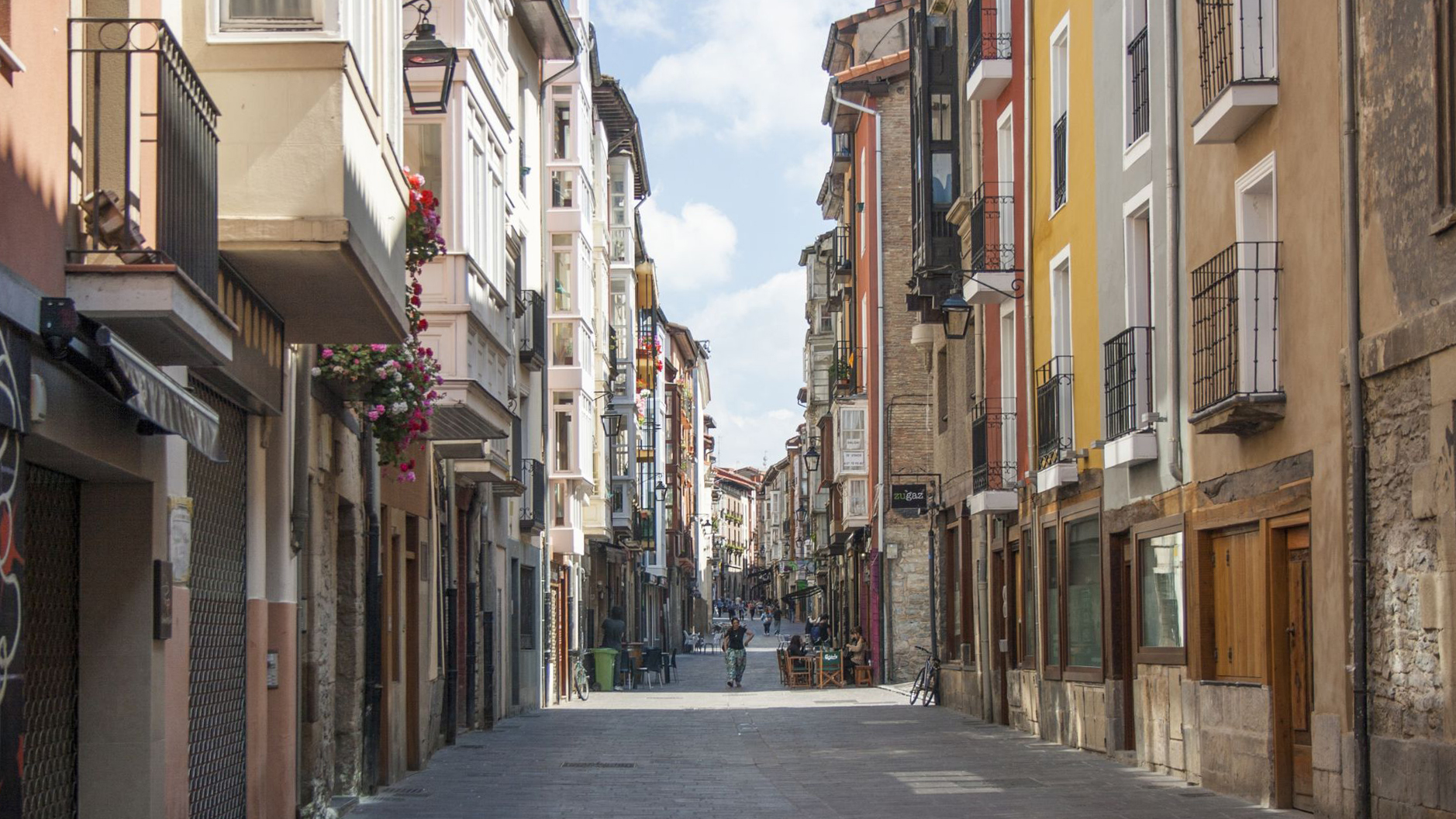
How do we feel about and experience the Basque language on the streets of Vitoria-Gasteiz? Are we afraid of anything? What drives us? To answer these questions, the City Council of Vitoria-Gasteiz and the Agirre Lehendakaria Center are collaborating on an innovative project: to conduct an in-depth analysis of the perceptions that citizens and stakeholders in Vitoria-Gasteiz have regarding the Basque language.
The goal is not simply to make a diagnosis; we want to create a “Common Ground.” That is, to achieve a shared understanding so that future public policies are rooted in the reality and needs of citizens.
What exactly is this project?
Beyond the quantitative data, this project is rooted in social innovation. Our goal is to identify the drivers (opportunities) and barriers affecting the Basque language, in order to connect initiatives that are currently disconnected and achieve a greater impact.
How do we work?
The project is systematically structured into five main steps:
- Mapping: Identifying the key stakeholders and initiatives driving the use of Basque in the city.
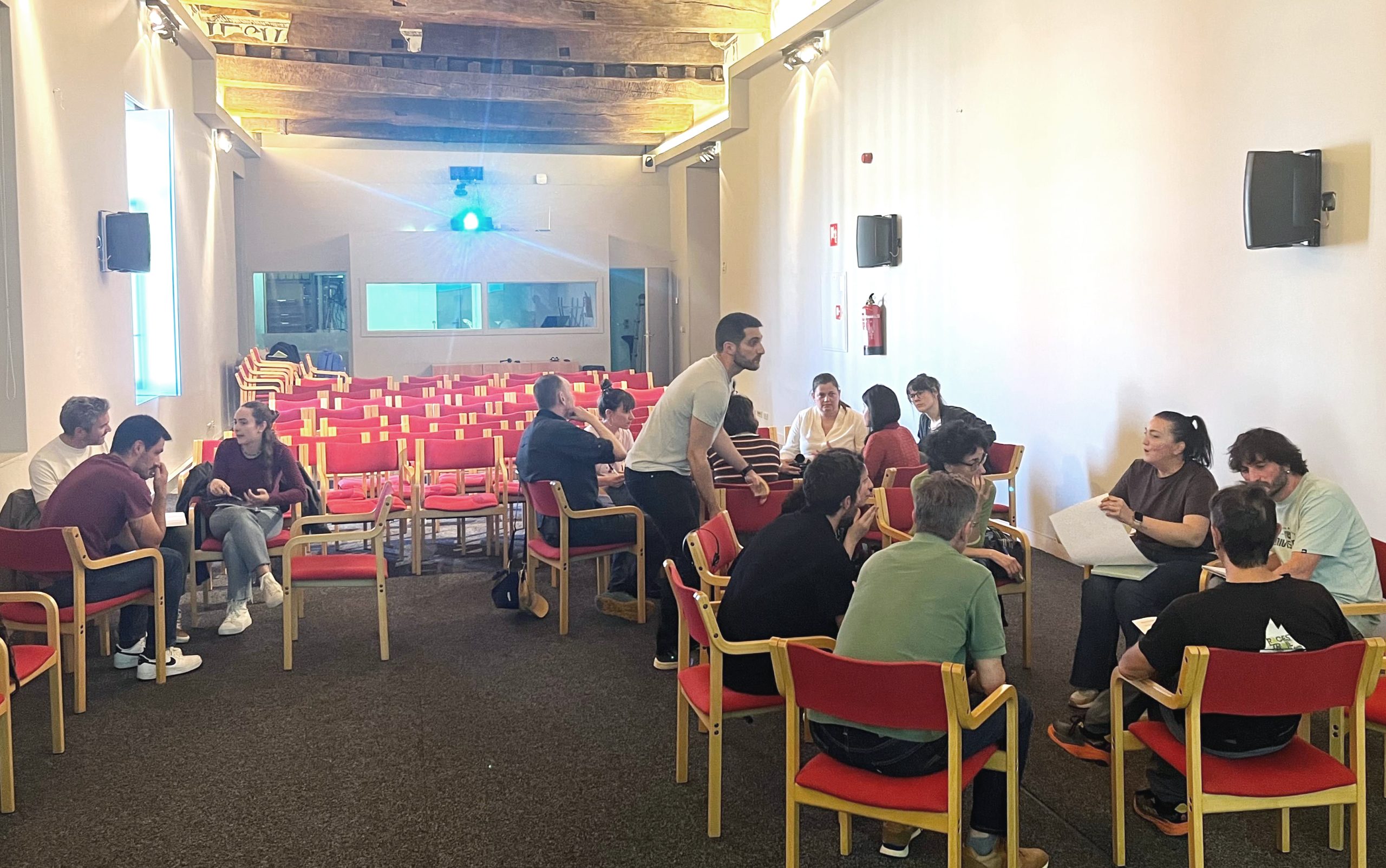
- Depth listening: Gathering citizens’ “narratives.” How do the people of Vitoria feel about the Basque language?
- Collective interpretation: Cross-checking the information gathered with stakeholders for joint validation.
- Co-creation: Designing prototypes and new solutions to address these real needs.
- Experimentation: Launching a series of projects to improve public services or community initiatives.
"It is essential to know public perceptions in order to provide an appropriate response"
To learn more about the core of the project and its main objectives, we spoke with Rakel Romero Martínez de Zabarte, head of the Basque Language Service at the City of Vitoria-Gasteiz. For Rakel, the key to building a “common ground” lies in listening and networking: “The administration has to respond to everyone. This process has allowed us to connect, listen to, and engage with those stakeholders with whom we had less of a relationship.”
Rakel emphasizes the need to provide nuanced responses to complex challenges, a path where one of the main goals is to “broaden our perspective”: “I’d be satisfied if we simply opened our eyes wider; that’s no small thing. If we broaden our perspective and seize the opportunities that arise along the way, we’ll be on the right track.”