ALC and PEMB Explore K-Tool's Potential to Strengthen Metropolitan Food System Collaboration
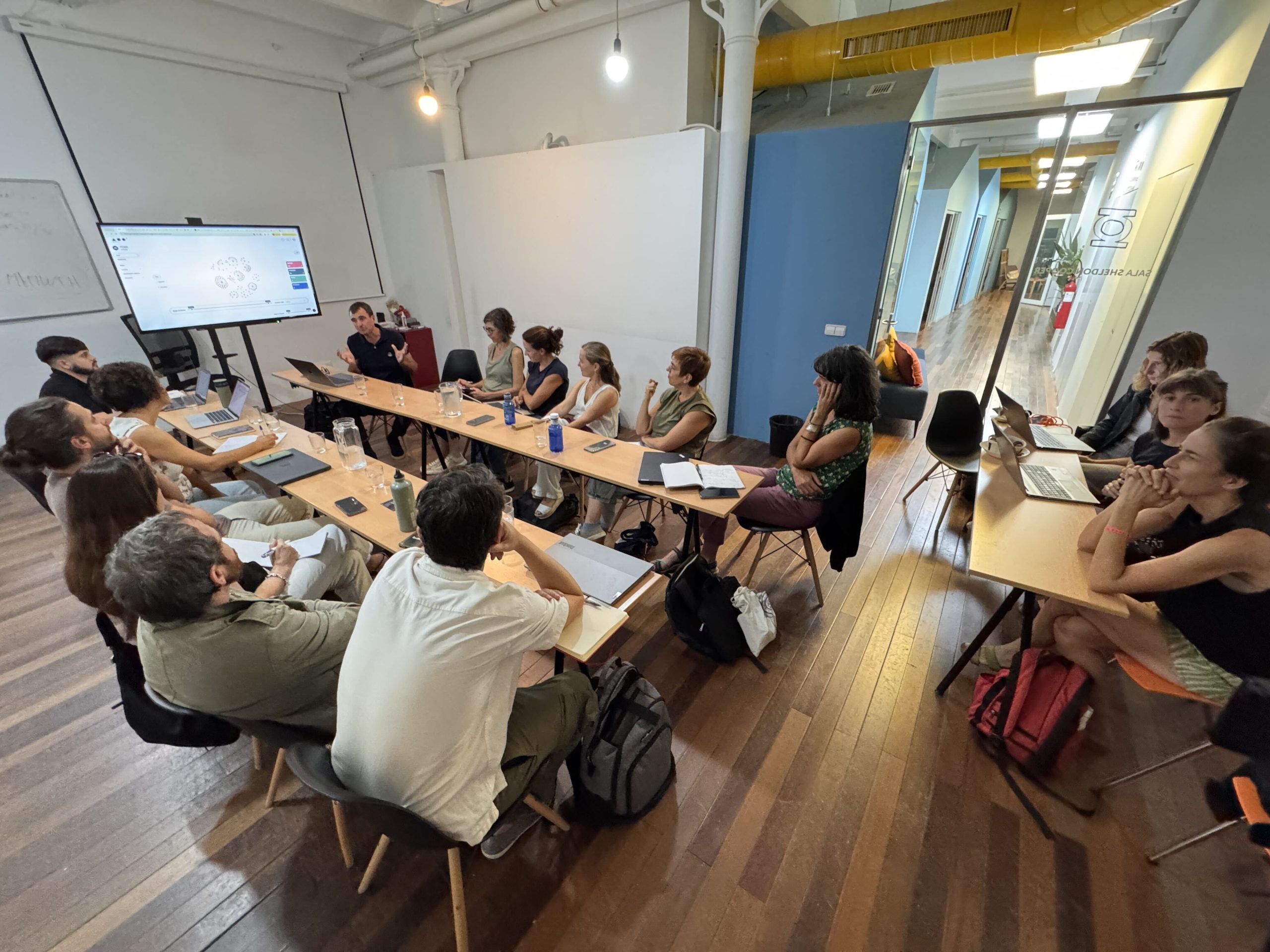
Through the Social Innovation Platforms approach and the use of the K-Tool digital tool, both organizations are exploring new ways to connect stakeholders, initiatives, and knowledge to advance the Healthy Eating mission of the 2030 Metropolitan Commitment. On September 28, an initial session was held in Barcelona to present and discuss the tool with stakeholders linked to the Metropolitan Region’s Food Charter (CARM).
When faced with complex challenges such as the transition to sustainable and resilient food systems, linear responses and traditional plans prove insufficient. With this as a starting point, the Agirre Lehendakaria Center and the Barcelona Metropolitan Strategic Plan (PEMB) have launched a collaborative project to explore how a methodological approach to social innovation and digital tools can help strengthen collaboration among stakeholders linked to the Healthy Eating mission of the 2030 Metropolitan Commitment (CM2030).
The main purpose of this first phase is to identify and highlight the stakeholders and projects already active in the metropolitan food system, understand their relationships and different perspectives, and facilitate the identification of synergies and new opportunities for collaboration, while avoiding duplication and promoting greater coordination among existing initiatives.
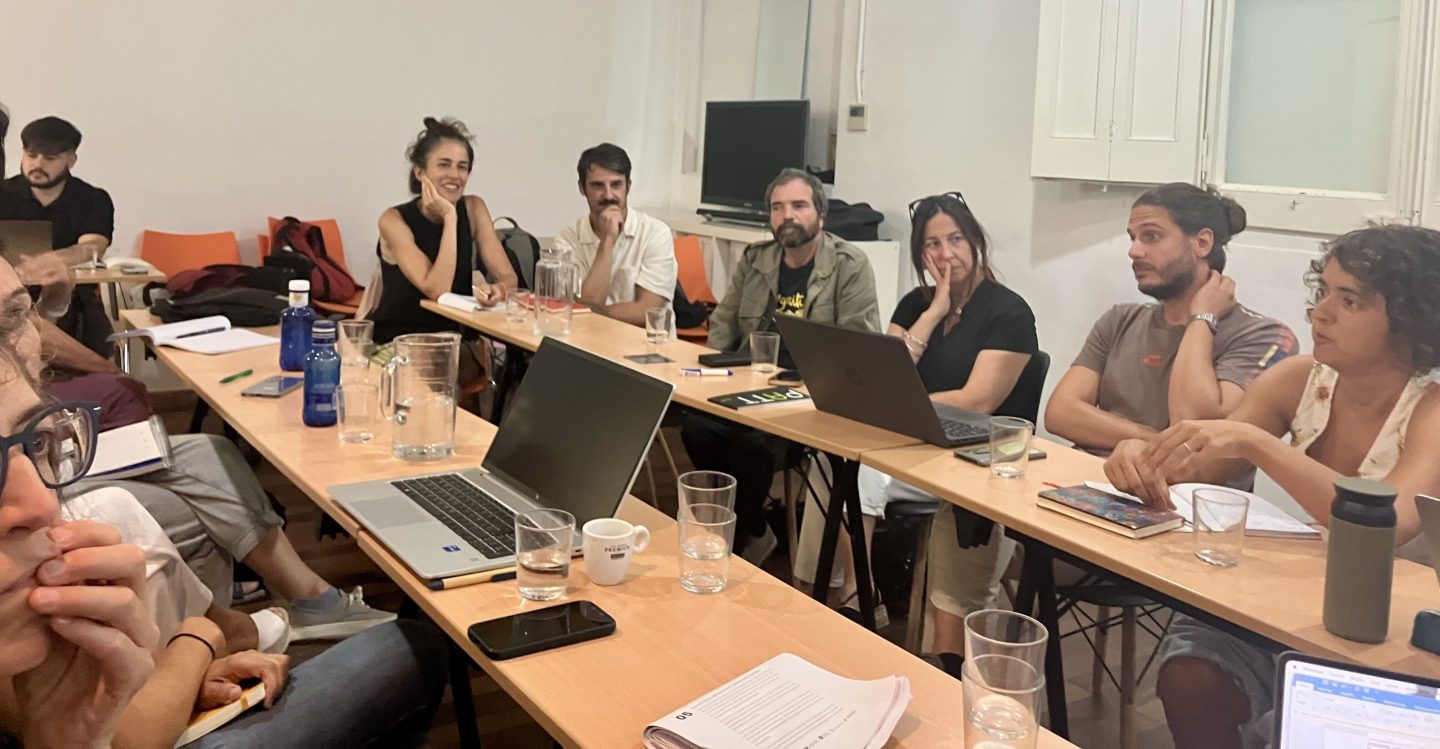
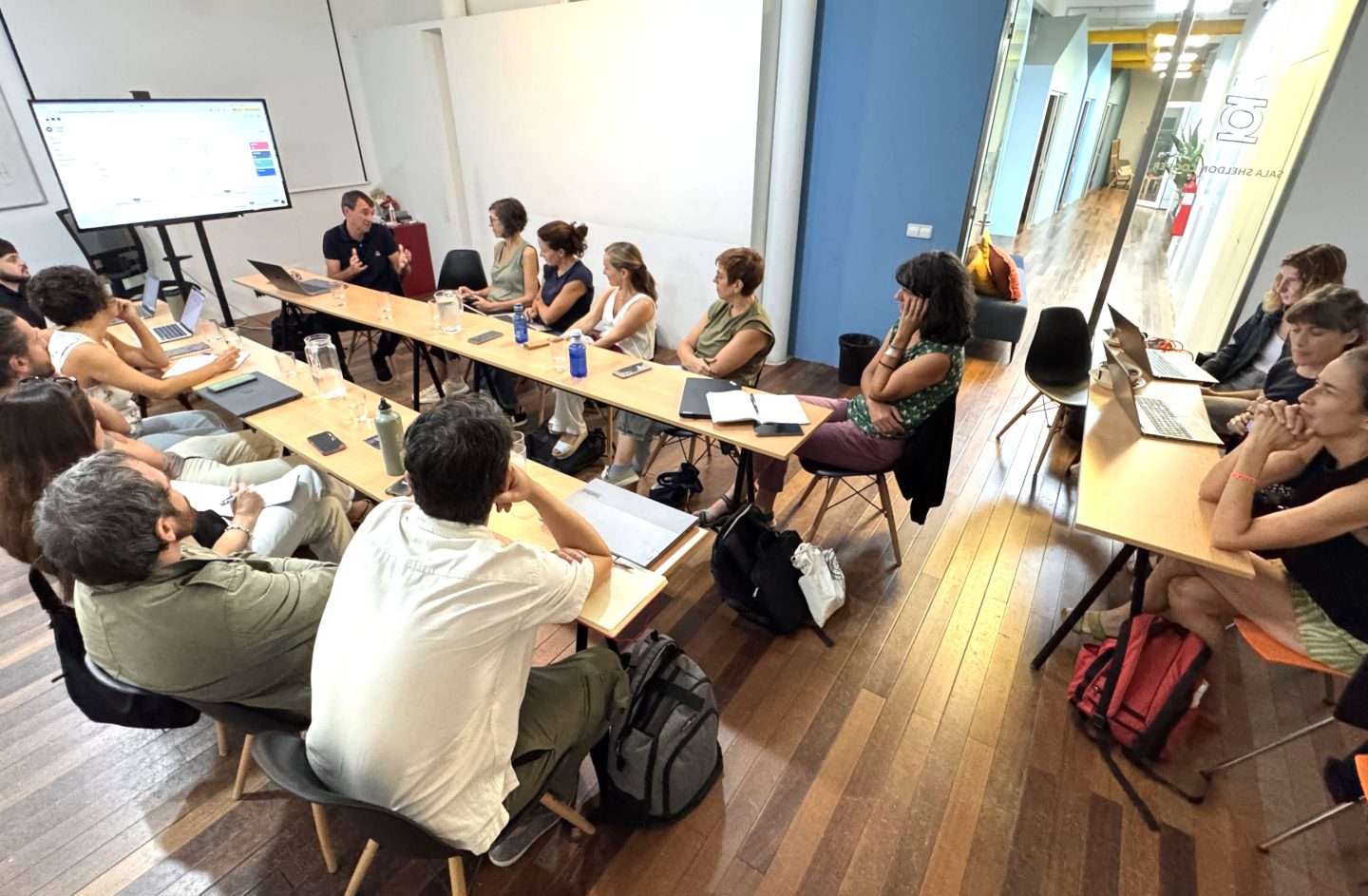
In this context, a working session was held in Barcelona on September 28 with representatives from public administrations, research centers, and organizations linked to the metropolitan food system. During the meeting, ALC presented an initial pilot version of K-Tool, which integrated real data from the CARM’s mapping of stakeholders and projects with the initial findings from the listening process. The session provided an opportunity to demonstrate the tool’s various features, explore its potential applications, and discuss with participants its usefulness as an instrument to support collaboration and governance within the CARM.
Systemic mapping and community listening
Through K-Tool, the project combines the mapping of stakeholders and projects with qualitative information gathered through interviews, incorporating artificial intelligence capabilities that allow for exploring narratives, identifying interconnections, and generating hypotheses for collaboration. This initial application has been designed as a pilot project to assess how a shared digital infrastructure could support the work of the CARM governance space, based on different areas of focus:
- Mapping: Stakeholders and projects related to the metropolitan food system are identified and organized, classified according to their scope of action, their position in the value chain, and the five levers of the Healthy Eating mission. This information makes it possible to visualize existing relationships, identify potential synergies and overlaps, and facilitate new opportunities for collaboration.
- Listening and Narratives: Interviews with various stakeholders in the food ecosystem have been included to gather their perceptions, needs, and narratives regarding the main shared challenges. Using K-Tool, this information is organized and analyzed to identify patterns and generate narrative profiles that allow for the exploration of different perspectives within the system.
- Sensemaking Workshops: The September 28 session provided an opportunity to present and validate this initial application of K-Tool with key stakeholders linked to the CARM, gathering feedback on its usefulness and potential applications. During the meeting, participants also raised questions regarding data updates and its potential integration into existing collaboration and governance dynamics.
- Co-creation: Through strategic reflection sessions and by cross-referencing mapping data with community listening insights, K-Tool makes it possible to explore interconnections between stakeholders and projects, as well as to generate hypotheses for potential collaborative initiatives powered by artificial intelligence. These features pave the way for identifying shared projects and evaluating, in subsequent phases, the development of new initiatives or pilot programs.
A space for shared experimentation
Beyond providing a static assessment, the initiative aims to provide the PEMB and its community with a dynamic working environment and a framework for ongoing monitoring of the 2030 Metropolitan Commitment. By integrating the K-Tool as a shared digital infrastructure, the project facilitates more decentralized decision-making, strengthens the sense of belonging within the CARM, and demonstrates how social innovation and digital tools can be harnessed to advance food sovereignty and sustainability at the regional level.