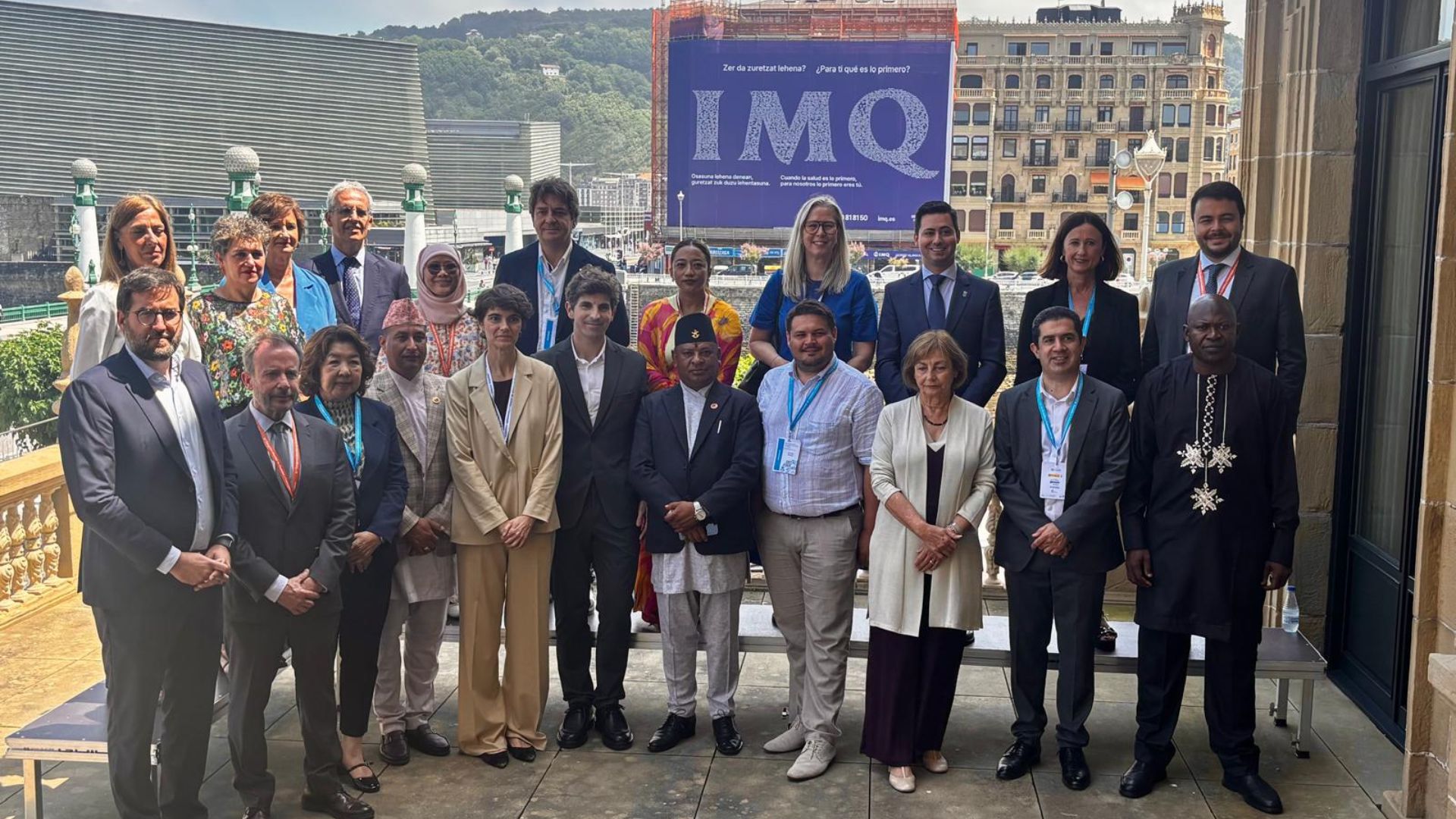
Mayors' Forum at the 3rd World Congress of Age Friendly Cities and Communities
The Kursaal Palace in Donostia hosted the International Forum of Mayors under the title “Municipal Leadership in the Face of the Challenge of an Aging Population.” This political and deliberative gathering took place as part of the 3rd World Congress of Age Friendly Cities and Communities
The event brought together local leaders from diverse international contexts to reflect on the impact of demographic change on urban governance, social cohesion, and public innovation.
Four Global Perspectives on Demographic Change
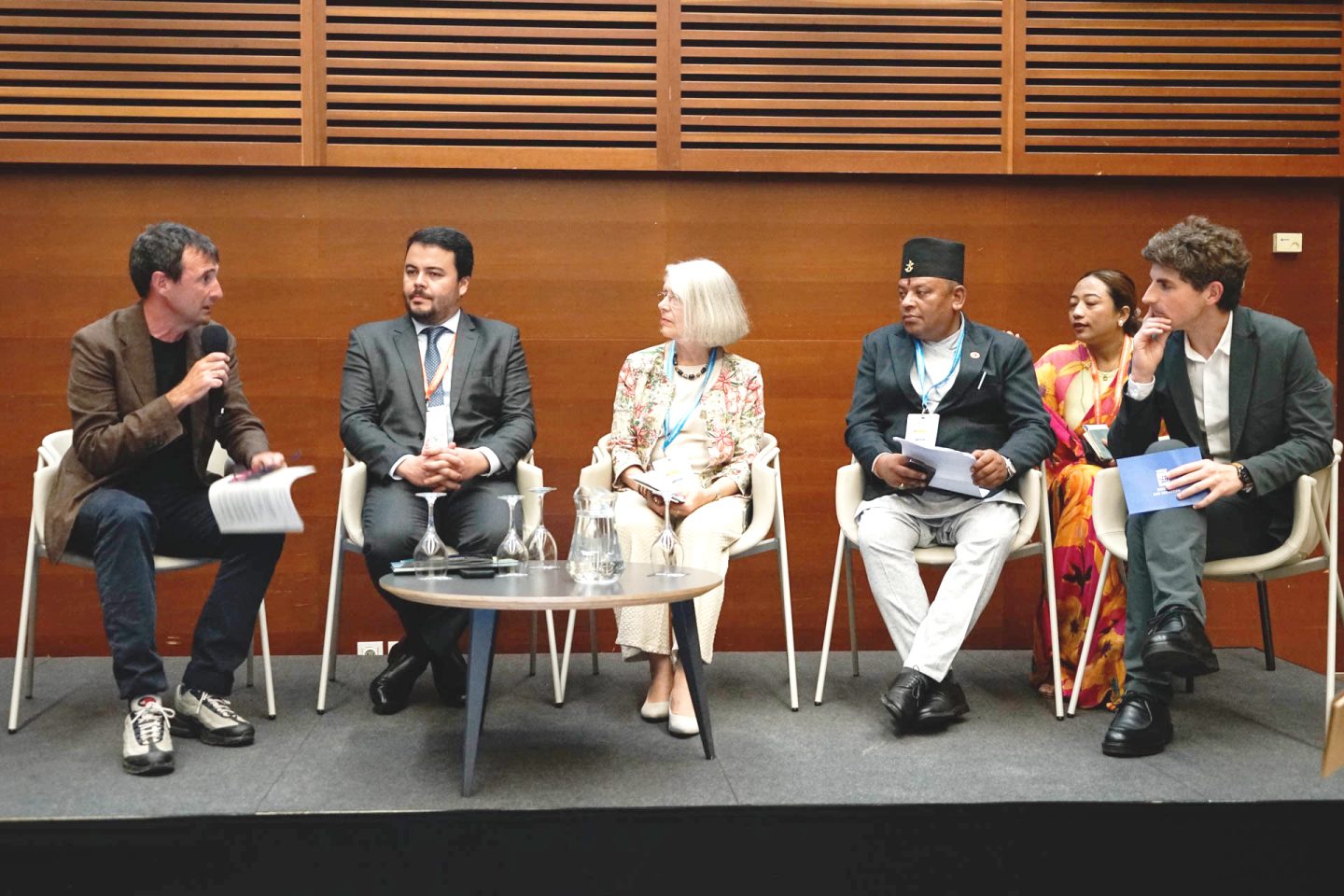
The opening session, titled “Four Voices to Open the Dialogue” and moderated by Gorka Espiau (ALC), served to compare different global realities regarding longevity. Ricardo Luis Núñez, mayor of São Paulo, reflected on the complexity of managing aging in a large metropolis marked by diversity and social inequalities. From a very different cultural and territorial context, Jeevan Khatri, mayor of Changunarayan (Nepal), highlighted the value of community ties and everyday solidarity. For her part, Mechthild Weber, a member of the Hamburg Parliament, explained how a city-state structure facilitates integrated institutional responses that connect the local and regional levels. Finally, Jon Insausti, mayor of Donostia, advocated for the need to approach aging in a cross-cutting manner across all urban initiatives, empowering older adults as active agents in the city’s development.
A space for discussion and collective building
Following the initial discussion, the forum was organized into dynamic working groups. Participants explored in depth the challenges, tensions, and opportunities arising from the integration of aging into public policy and urban planning.
Through guided questions, participants discussed strategies for building more livable, sustainable, and healthy communities. They also examined the democratic role that older adults should play within government priorities and the new community partnerships needed for the future.
The conclusions and reflections shared during the forum will be compiled into an institutional statement that will serve as a policy contribution to the Congress and the development of the International Network of Friendly Cities and Communities.
The meeting concluded with remarks by Anne Berit, president of the Congress, and Thiago Hérick de Sá, representative of the World Health Organization (WHO).