#STOPMalnutrition: Strengthening the social innovation approach and the role of the community connector
Acción Contra el Hambre (Action Against Hunger) and the Agirre Lehendakaria Center are moving forward with the #STOPMalnutrition project, a three-year pilot initiative funded by the European Social Fund. The initiative, which falls under the healthcare sector, aims to reduce health inequalities linked to food insecurity, with a focus on children and on strengthening social protection systems from a community-based perspective.
The community connector as a key element
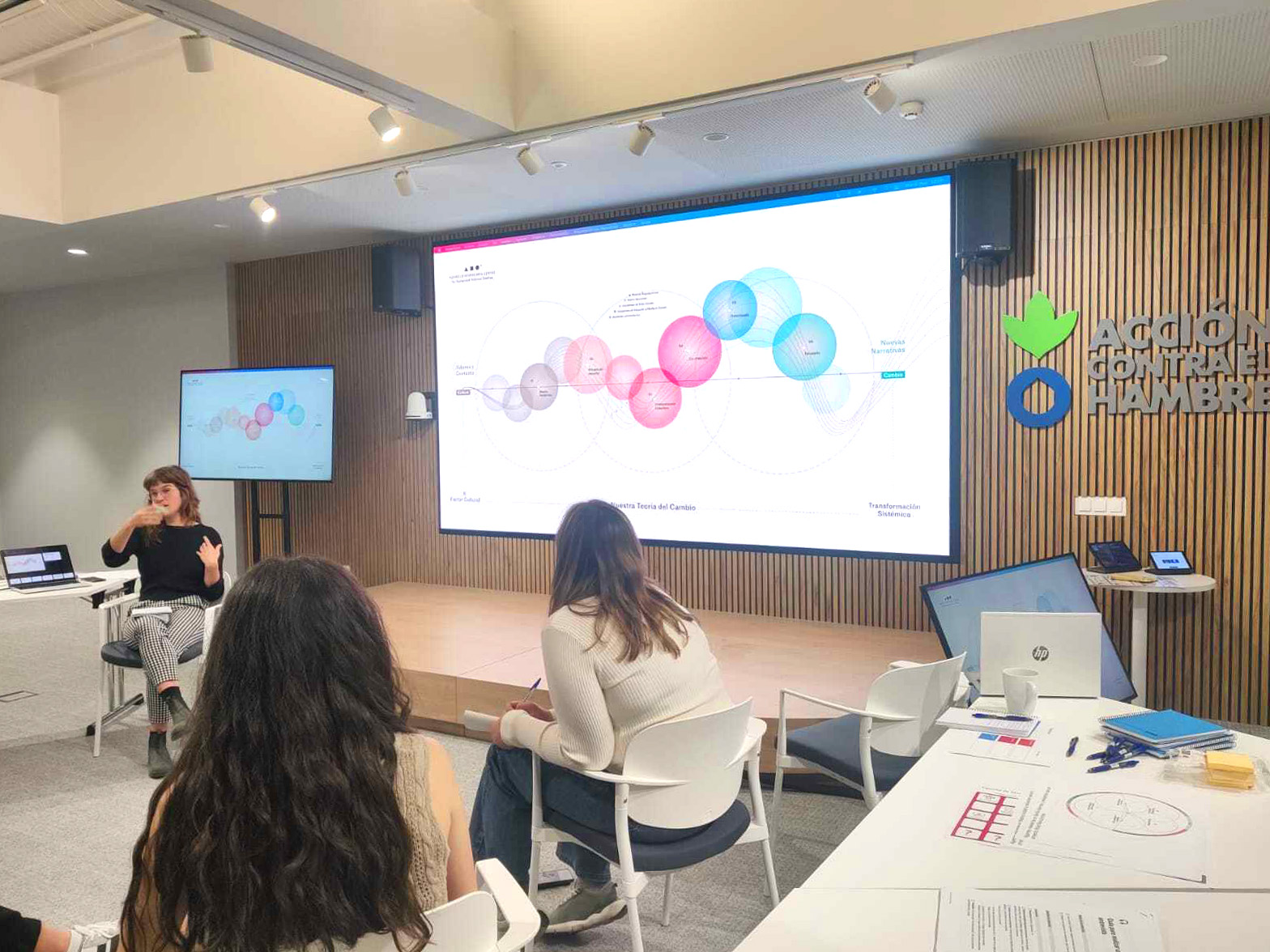
The work of the four community connectors is the backbone of the intervention in Madrid, the Basque Country, Galicia, and Andalusia, as they will coordinate the work in each region. ALC will be responsible for providing technical support to these individuals, who will lead the project’s implementation in each region using a formative evaluation approach.
This role is not considered a fixed position but is being co-created based on ALC’s previous experience in projects such as “Mi Casa” with Plena Inclusión, and ongoing projects such as the role of Ehulea within the Galdakao Zeugaz project, or Lokarria in Getxo Zurekin. The process will generate insights on two key levels:
- Regarding implementation: Analyzing how the evolutionary evaluation approach works in this context to collaboratively address issues related to child malnutrition,
- Regarding the role of the connector itself: Identifying what functions this role should have, which aspects of their work are effective, which are not, and what new capabilities they should integrate to be truly effective in the region.
Reflexions on the management and future of the organization
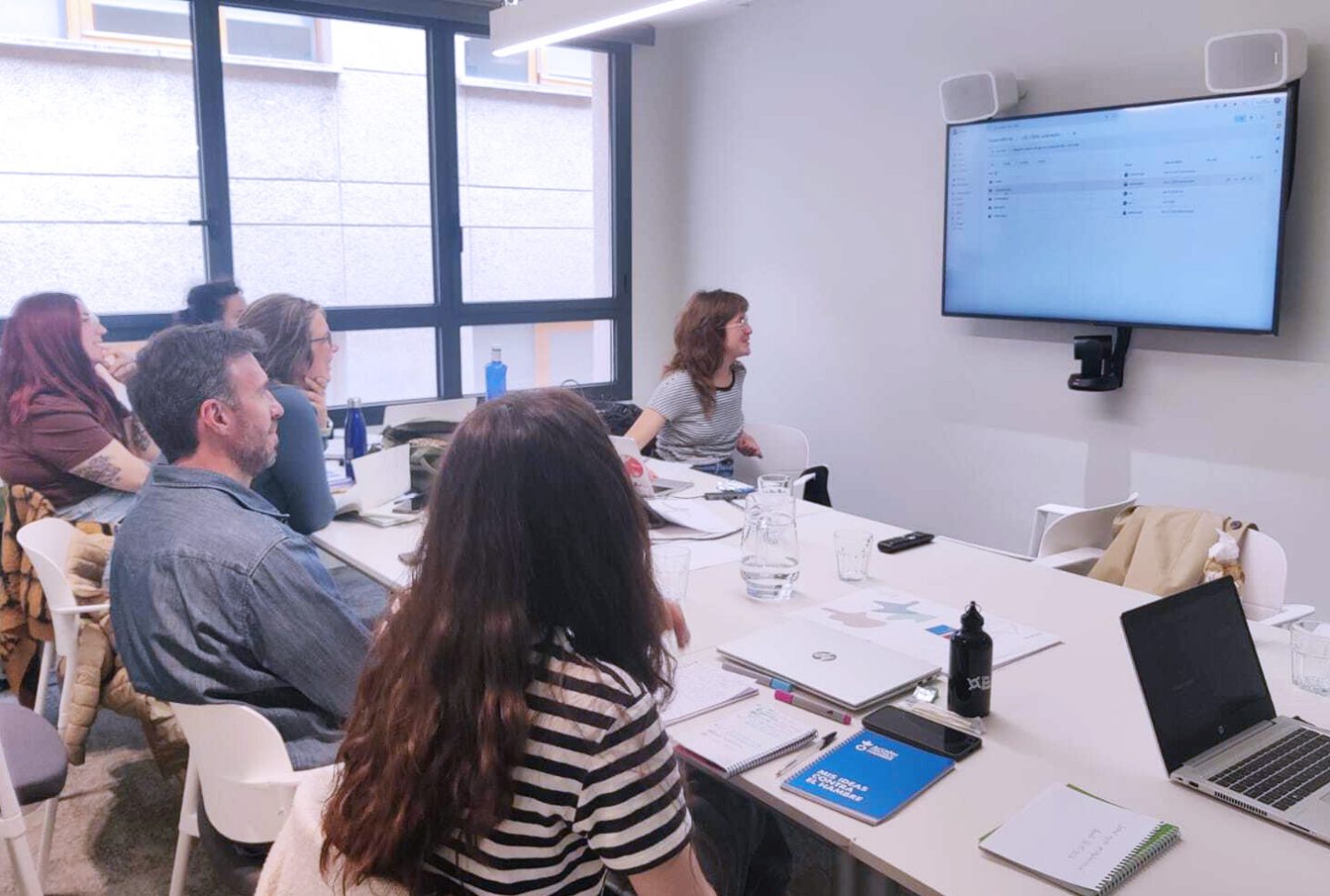
During the first training sessions in Madrid, held on May 5 and 6, important questions arose regarding the integration of this new management model into ACH’s structure. A central point of discussion was how the evolutionary evaluation approach can complement the management systems the organization already has in place.
Currently, this methodology is applied to experimental and social innovation projects such as #STOPMalnutrition. However, the team raises a question for the future: should these innovation capabilities remain in the experimental sphere, or is it possible to incorporate them structurally into the organization as a whole?
Next steps in the area
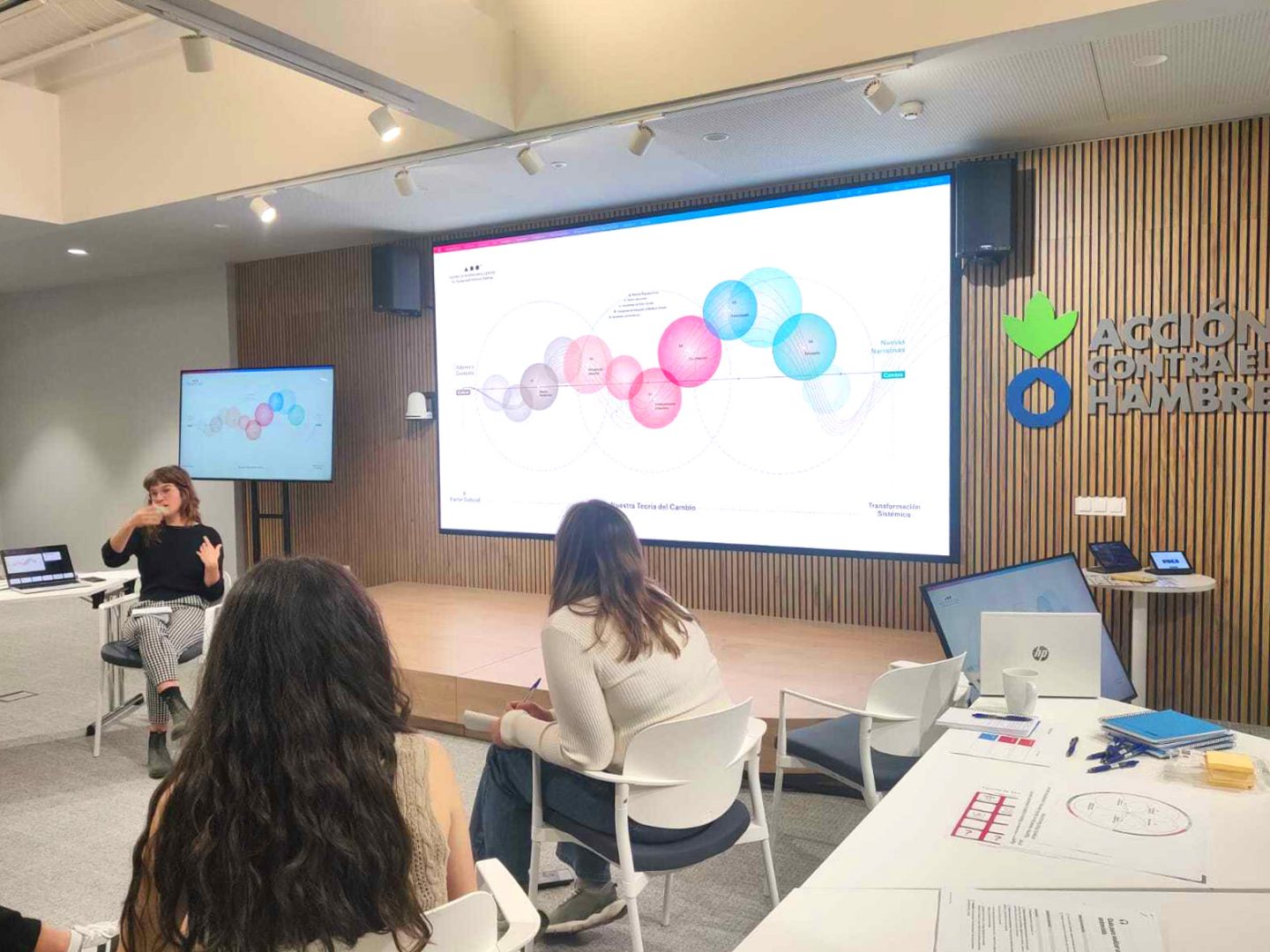
Using the Ktool, the four community connectors have systematized the mapping of stakeholders and the narratives identified during the initial data collection phase. The result of this work will be the creation of four experimentation portfolios (one per region), which will lead to the launch of at least three pilot projects per region. These pilots will be co-funded by local entities, ensuring that the changes not only address urgent needs but also generate lasting transformations in collaboration with the people in each community.