ALC and the Generalitat of Catalonia explore new digital infrastructures to address complex challenges in collaboration with the Barcelona Supercomputing Center
ALC and the Generalitat of Catalonia explore new digital infrastructures to address complex challenges in collaboration with the Barcelona Supercomputing Center
On April 4, 2024, the Barcelona Supercomputing Center (BSC) hosted the multidisciplinary workshop "New structures to address complex challenges" with the aim of optimally facing social challenges through the use of data, involving active listening, analysis, interpretation, innovation, experimentation and optimization.
The Directorate of Prospective of the Office of the President of the Government of Catalonia (Generalitat de Catalunya), the Barcelona Supercomputing Center and Agirre Lehendakaria Center (ALC) are collaborating in the design of new spaces to address complex challenges, which require advanced experimentation and new adaptive and anticipatory governance models. These spaces can benefit from AI to manage issues such as intelligent mapping, agent-based simulations, or advanced analytics of citizen perceptions.
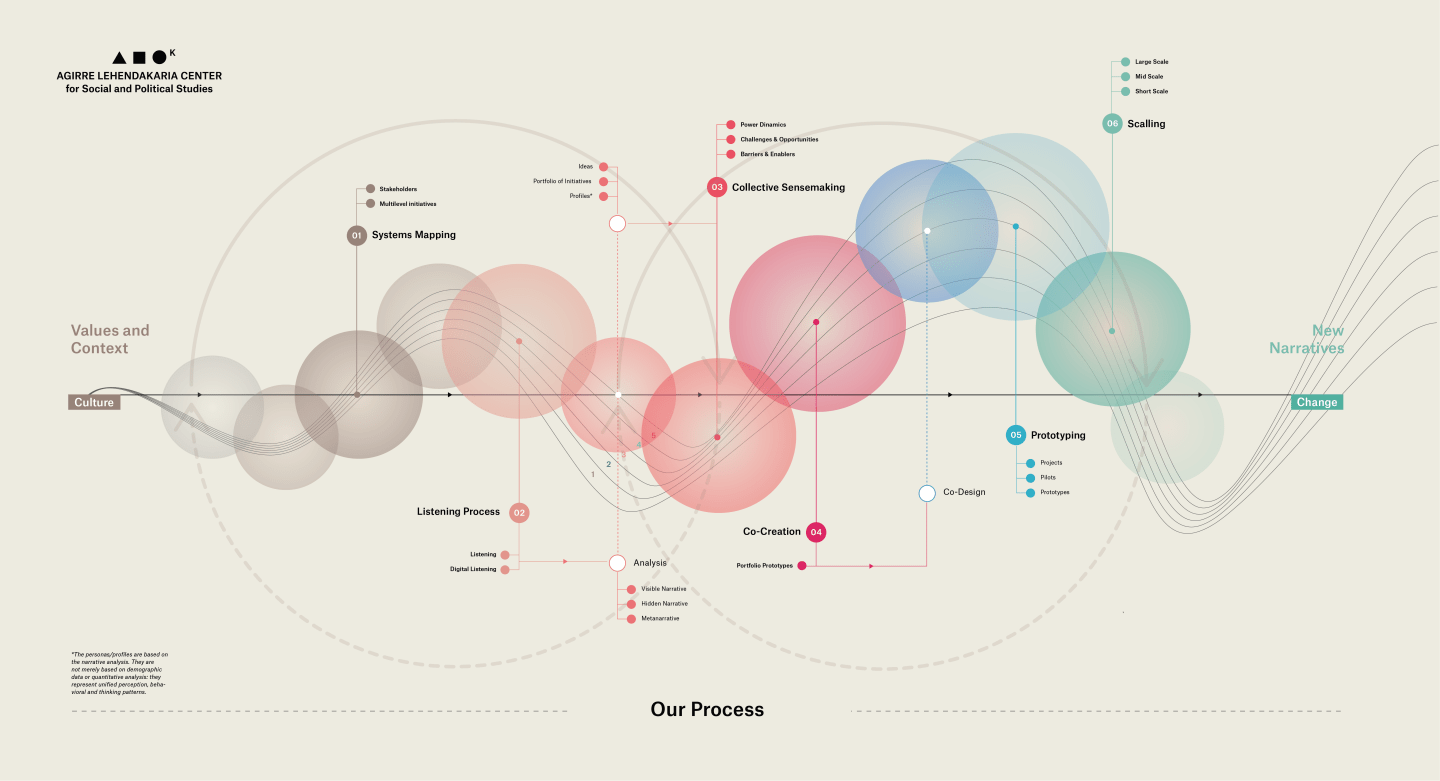
Agirre Lehendakaria Center accompanied the BSC in the workshop that served as a first contact for the design of subsequent spaces with specific and diverse agents. ALC presented the social innovation approach based on the cultural dimension of this type of process. Understanding the complexity of this topic, exploring collaborations, and developing a portfolio of prototypes is key to generating systemic impact. To this end, it focuses on two specific areas of action: on the one hand, the collection, cataloging and analysis of data, including perceptions; and, on the other hand, safe spaces for experimentation.
Likewise, the seminar led by the BSC was presented by Mercè Crosas, Director of the Area of Computational Social Sciences, as well as with the Directorate of Prospective of the Generalitat, led by Beth Espinalt and Jordi Vergès, which aims to work with this approach on specific issues, and the Mastercard one, represented by Simon Willis, Global Vice President of Innovation with Public Entities, interested in public-private data collaborations for social purposes. Finally, the Institute of Government and Public Policies of Catalonia - IGOP, led by Joan Subirats, Marta Cruells and Jaume Blasco presented their work and the connections with all the above elements.
Meanwhile, ALC continues to work together with the digital agency Bestiario in the design and development of a tool that will allow the management, visualization and evaluation of decision-making processes in real time.
ALC participates in the United Nations stabilization program for northern Mozambique. This collaboration aims to reinforce the community perspective of the initiatives to be developed.
Since 2017, the province of Cabo Delgado, in the northern region of Mozambique, has been plagued by violent attacks by non-state armed groups. This situation has forced massive displacement and further aggravated the situation of vulnerability faced by the population, especially young people and women.
In response to this crisis, UNDP initiated stabilization interventions in 2021 to assist the Government of Mozambique in its efforts to re-establish state presence in the recovered areas, paving the way for reconstruction and the subsequent safe return of the people who have been forced to leave their homes, and who wish to return safely to their families.
To ensure greater understanding and participation of people, we chose theater as a listening channel. The presentation was performed by young local actors and activists from Pemba. This was the way found to explain the ethnographic profiles or Personas in an inclusive and interactive manner. We ensured that linguistic diversity was included and the community could participate actively. In the session, the Personas, with their corresponding challenges, opportunities, and metanarrative (key idea), were presented through the characters during the theater performance. At the same time, this allowed participants to give feedback. In order to facilitate the discussion. these following guiding questions were asked:
● What do you think about the profiles and their content? Why?
● Do you agree? Do you recognize these patterns? Why?
● What are we missing? Why?
● Who else should we talk to? Why?
● Are you familiar with any initiative addressing these challenges and opportunities?
In Mocímboa da Praia there were around 60 people from the community who had recently returned to the village, as well as three government representatives (Vereador do Conselho Municipal; substitute of the permanent secretary (director of health, women and social action) and the SDPI). In Macomía there were around 50 people from the Napulubo neighbourhood and four representatives of the government: the permanent secretary, infrastructure director, education director and neighborhood secretary.
All challenges and opportunities have been validated and many more have been added. There was a big participation in both communities. It was unquestionable that listening channels such as this one are extremely necessary as it allows people to express their frustrations, but also their wishes and identified opportunities. However, in a situation of total lack of basic services, infrastructure, lack of work, among others, identifying possible solutions and areas of opportunity was not easy:
"We are sick people, and the sick don't tell the doctor what they need, they accept what it gives them. If we ask, we will ask for everything, because we have nothing. If one doesn't have a boat, the other doesn't have a net. "
Sensemaking session in Pemba
The sensemaking session in Pemba was held at the UNDP office on the 24th November. It was attended by around 25 people from non-governmental organizations, representatives of the government, other UN agencies, and members of civil society: ADIN (Agência de Desenvolvimento Integrado do Norte), DPIC (Direcção Provincial de Indústria e Comércio), WFP, CESAL, OIM, Ukhavihera, Amuavano Resiliente, el J, Associação Coaliza, Kuendeleya, Azul, Progresso, IFPELAC, UNHCR, Coalizão, UNDP Maputo, OIKOS.
The ethnographic profiles or Personas were presented and the participants were able to validate the challenges and opportunities but also add their own perspective and missing points. In addition, participants discussed key challenges and opportunities regarding the existing initiatives and governance in terms of the stabilization and reconstruction of Cabo Delgado.
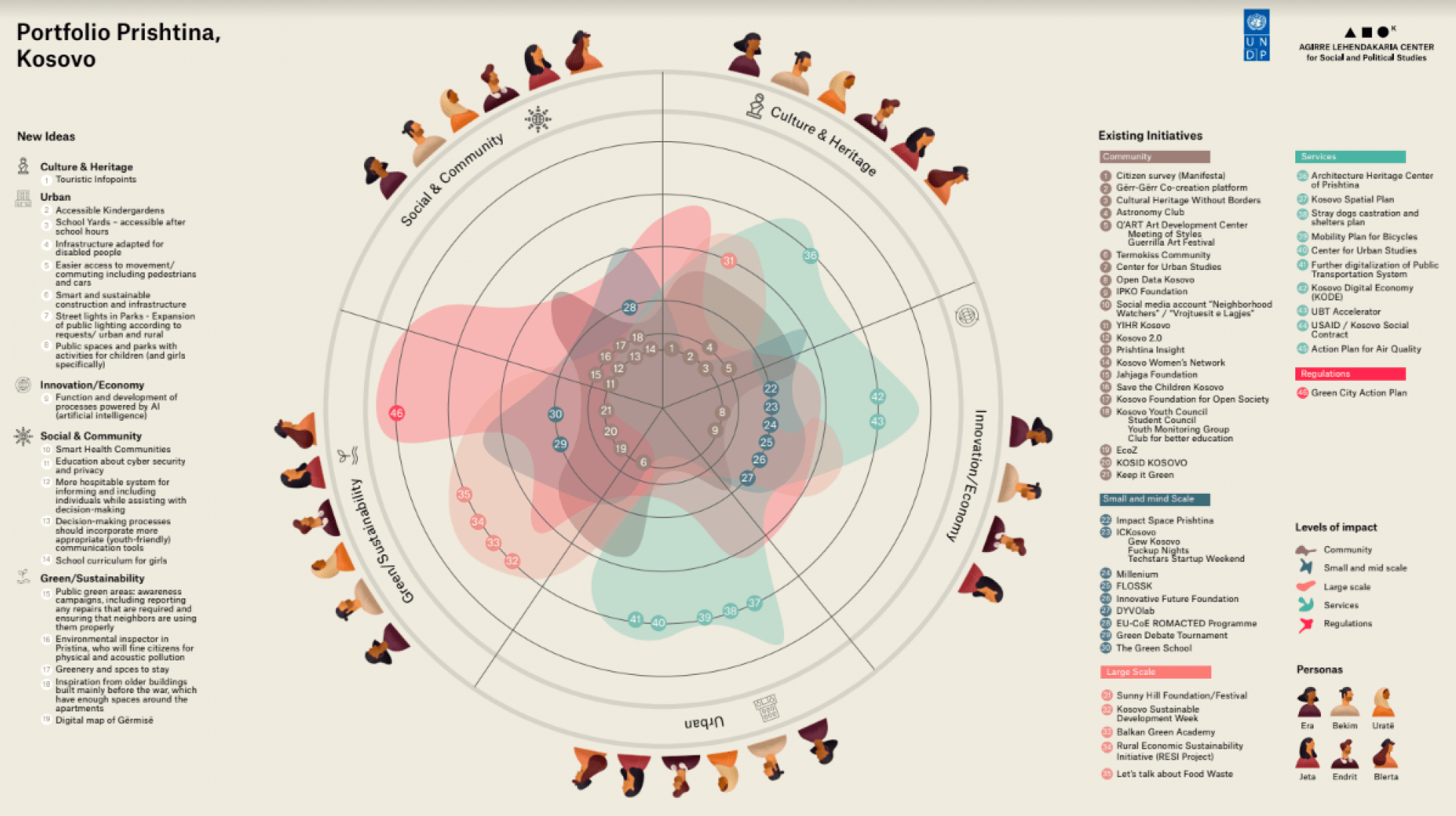
How can cities co-create new ideas and initiatives that respond to specific (and even contradictory) perceptions of citizens? How can rapidly evolving narratives be approached from a portfolio logic (interconnected and multilevel initiatives) and generate systemic outcomes for urban transformation?
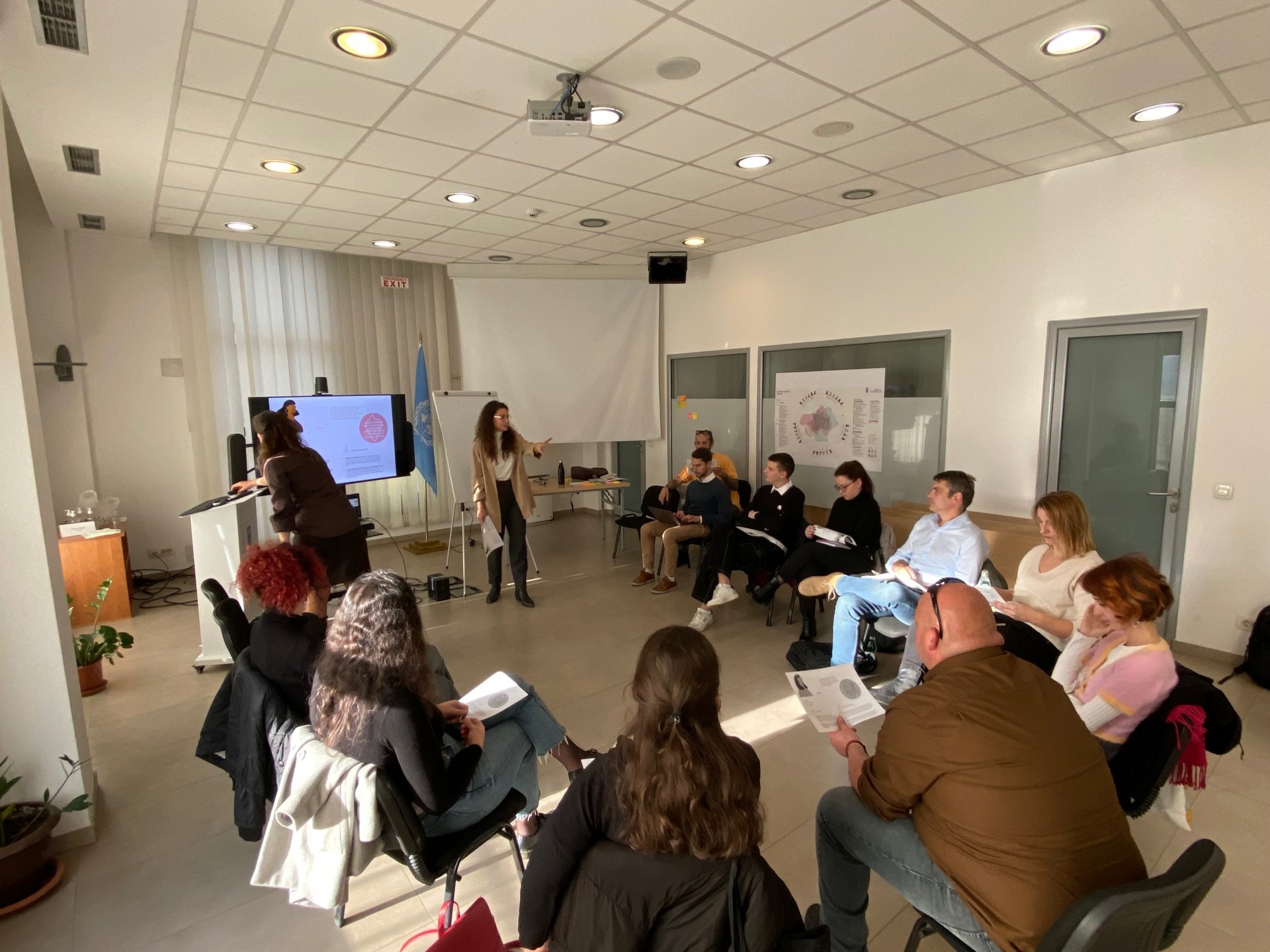
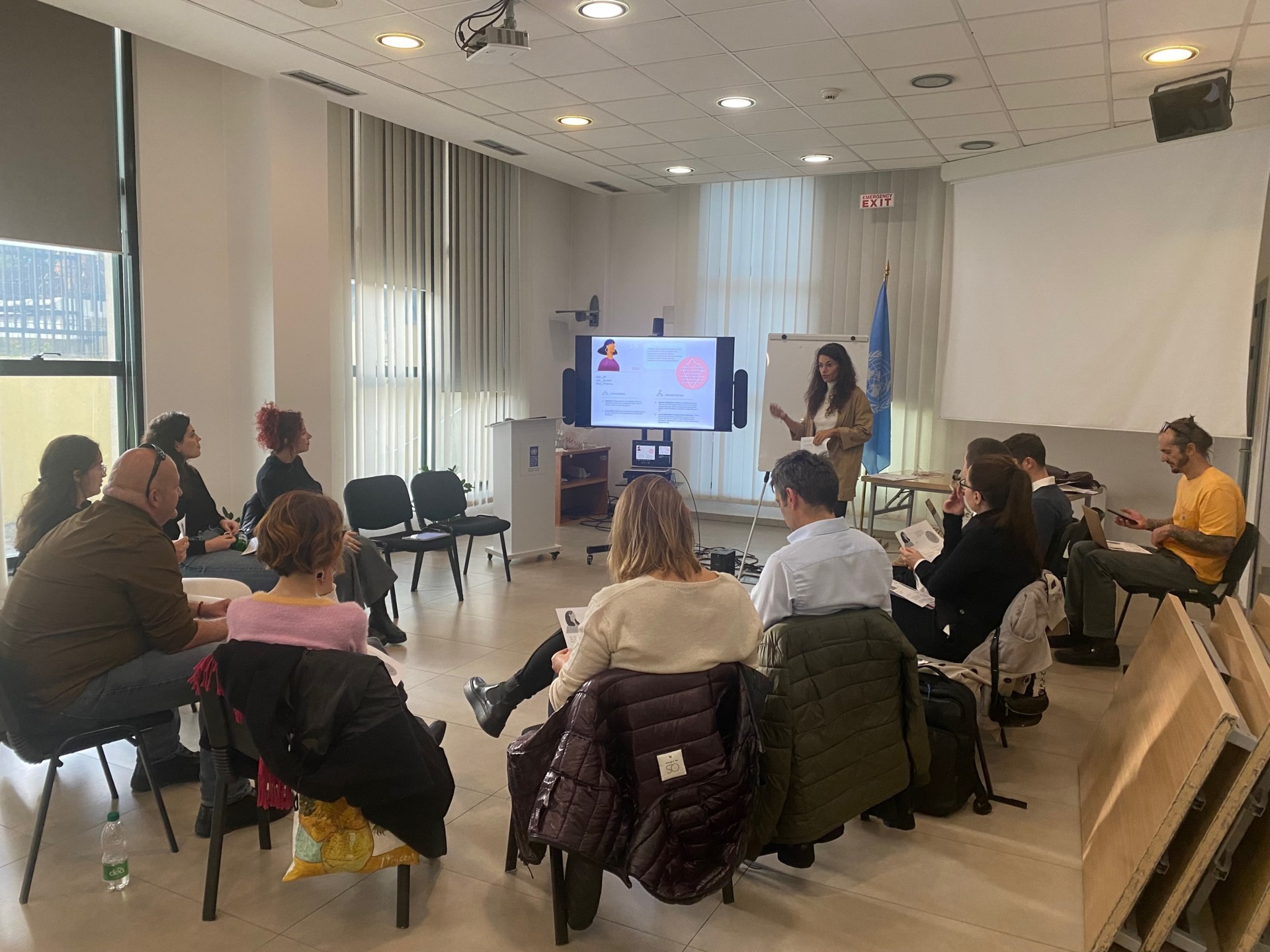
ALC visited Prishtina as part of methodological support for UNDP’s in the center's collaboration with the City Experiment Fund (CEF) #M4EG. People from public, private, and community sectors met together at UNDP Kosovo to reflect on challenges and opportunities identified during the CEF’s #SocialListening process. Co-creation sessions are spaces to ideate together responses that can complement existing initiatives in the cities, towards creating a #PoweredPeoplePortfolio.
In November 2022, two collective interpretation sessions were held in La Orotava, (Tenerife, Canary Islands) to exchange knowledge and learnings from the narratives, challenges and opportunities identified during the listening process. This space has been energized by Agirre Lehendakaria Center, Probosco and Plena Inclusión Canarias. The sessions counted with the participation of citizens, entities, groups and the Municipality of La Orotava in a space provided by the Liceo Taoro.
Mi Casa, una vida en comunidad is a project led by Plena Inclusión in which various local entities participate. ALCk participates together with Plen Inclusión and the other entities carrying out the developmental evaluation of the process since the spring of 2022. The projects seeks a change in the way of understanding care in relation to people with DID, looking for similar deinstitutionalization in this process. The project places special emphasis on local community development, co-produced by people and organizations from neighborhoods, towns and cities, identifying local needs that concern the entire community, and building social innovation responses to solve challenges in each territory of collective way.
ALCk currently supports the process with the developmental evaluation of it, which allows to include both internal and external changes and definitions in the experimentation process in real time, based on the perceptions and barriers identified among the agents involved. Likewise, it allows learning on ways in which these deinstitutionalization processes can be developed and provides new tools in terms of social innovation to the community connector, the person in charge of carrying out this bridging work with local communities.
The objective is that in the coming months new possibilities of connection and work with the community can be generated.
Promoted by UNDP and supported by ALCk, several collective co-creation and design sessions were held in the Chiang Rai district during the summer. Aware of the importance of forests in the development of the district, collective proposals for their protection have been elaborated.
The Open Innovation Platform in Chiang Rai (Thailand) has taken important steps in the co-creation of the Portfolio that seeks to connect existing actions with prototypes, with the aim of improving living conditions in the region. After several contacts with local agents, a series of areas for action and social participation have been identified.
Chiang Rai is located in the north of Thailand: surrounded by forests and jungles, it is an example of biodiversity. The natural importance of these forests is undeniable, but this importance also extends to the economic and social sphere. In this sense, after listening to the challenges identified by the local population and formulating proposals collectively, the protection of the forests and the ecological agriculture around them has been considered fundamental.
These proposals are the result of co-creation and collective design sessions with local agents, organized by the United Nations Development Program office in Bangkok and sponsored by the Agirre Lehendakaria Center. Three sessions have been organized throughout the summer of 2022, the first one online and the rest taking place in different communities in Chiang Rai.
The second session was organized at the end of July 2022 and the UNDP representatives visited four communities: Hin Lad Nai, Khun Lao, Pang Sa, Huay Han. In August, during the second visit, the community created possible prototypes to prevent forest fires and, in the event of such fires, to manage them effectively.
As already mentioned, despite being an area with a large forest mass, agriculture and livestock farming are fully developed in this environment and are the livelihoods of many inhabitants. Based on the listening and awareness-raising work carried out previously, the communities decided that the most effective way to protect the forests and agriculture is precisely the integration of agriculture and forestry, within a sustainable and balanced model.
Several examples of this integration are given:
- The production of various products, such as honey (through beehives) or coffee, represent the importance of caring for the forest, since without it, such economic activity cannot be developed. - A sustainable livestock model is essential to guarantee the subsistence of the forest. Too many head of cattle can lead to surface erosion, as happened with the cattle in Ban Huai Han.
Along with this, and as a preventive measure, the Chiang Rai communities have identified the need for a Forest Fire Management Plan, which was later conceptualized to be incorporated into the co-created portfolio. This in turn has been divided into three areas:
1. Forest fire prevention. 2. Forest fire suppression 3. Strategies for alliances and alternative sources of financing.
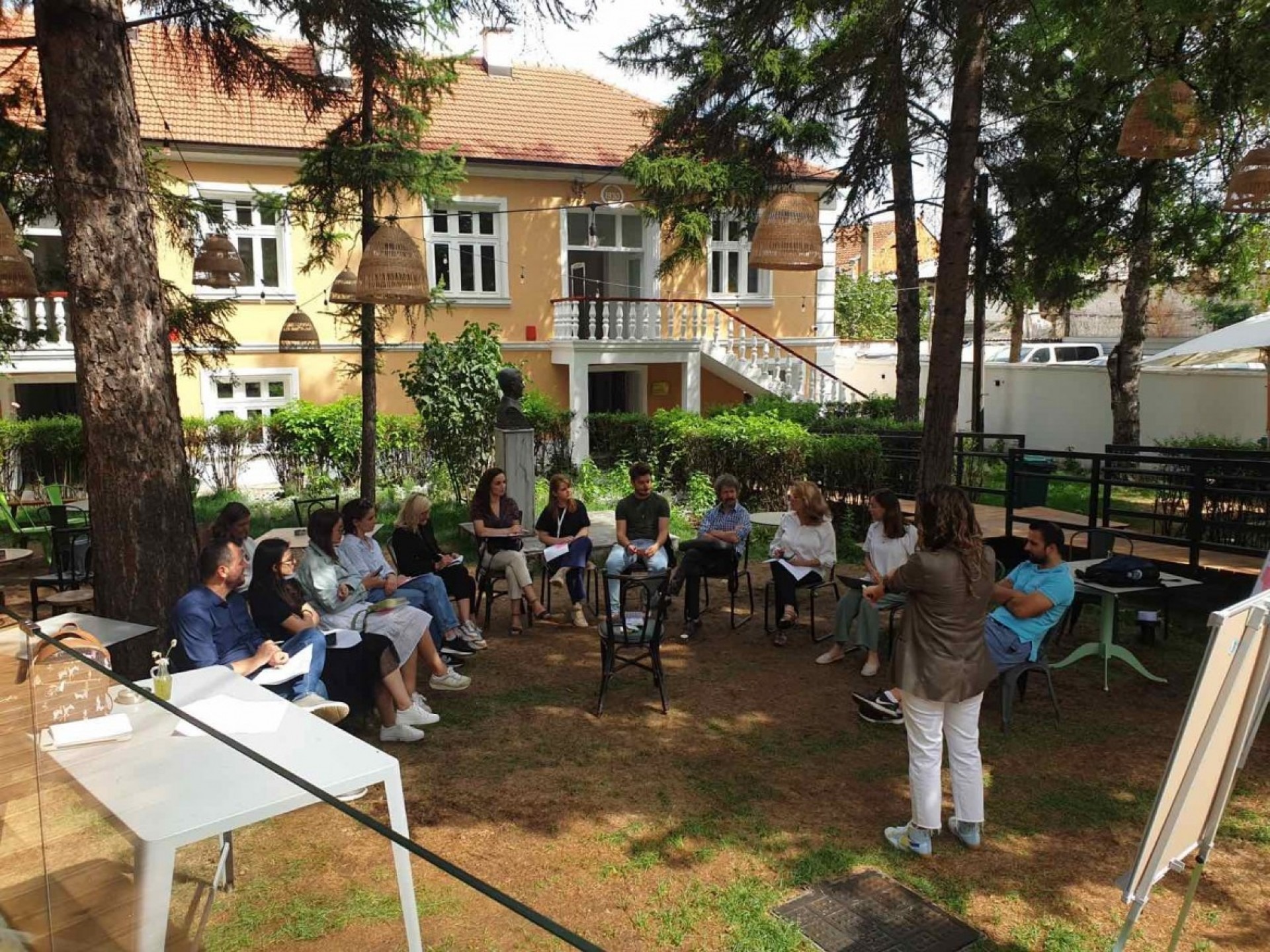
On August 24, a deliberative space took place in the capital of Kosovo as part of the UNDP's City Experiment Fund project. Waste management and traffic are among the most pressing challenges, according to local representatives.
UNDP Kosovo has convened different representatives of the civil society of Pristina (Kosovo), with the objective of helping to promote a more sustainable and friendly city for its inhabitants, always according to the identified needs along the listening process, and formulating alternatives collectively.
The main objective of the informal meeting led by UNDP Kosovo and organized around the City Experiment Fund project, is to discuss about the ecosystem mapping, align different points of view, around a common problem and identify spaces for action that will ultimately lead to solutions that benefit the community as a whole.
The identification of existing initiatives, complex problems and the generation of solutions are based on local narratives gathered though the social listening. Thus, in August 2022 a sensemakingsession related to the ecosystem mapping is organized, with the participation of key agents in the development of today's Pristina. It was attended by representatives of the biennial festival Manifesta, EcoZ, the Public Housing Company of Pristina, the Directorates of Urbanism and Public Services, the Regional Water Company, as well as the presence of a cyclist, representing the Alpine Club of Pristina.
Starting from the key questions of the first listening iteration, they proceeded to identify and discuss together the biggest challenges and opportunities that the inhabitants of the Kosovar capital have to face in their daily lives.
Could you tell us what is happening in Prishtina?
It is clear that both waste management and the cleanliness of public spaces are areas in which the locals see great room for improvement; in this sense, the lack of urban furniture (mainly containers) to meet the needs of the population has been mentioned. This of course has different consequences such as "too narrow sidewalks" according to one of the participants. Complaint endorsed by another guest, "Construction waste after the construction of buildings is causing congestion in pedestrian traffic". For both challenges, it is suggested the creation of clearer regulations, but that will require in any case the civic attitude and commitment of the population.
There are also those who say that despite the construction of "good infrastructure works", some of them lack real use, precisely due to the lack of commitment or ignorance on the part of citizens. A good example of this is the low use of bike lanes, since it is common to see cars parked in them. Another issue on which most agree, is "the lack of green spaces" due in large part, to the supremacy of traffic, or otherwise poorly designed green spaces. "Trees are not planted at the right time and there are also types of trees that should not be planted in Pristina because they do not grow in the atmospheric conditions of the city. These practices are not good and should be considered otherwise" concludes one of the representatives.
These imputs were helpful for the Sensemaking spaces that are taking place as part of the next stages of the process. The city of Prishtina, along with UNDP Kosovo is also taking part of the City Learning Circle, a prototype experience for Social Listening and Community engagement, where they will be sharing learnings with other cities from the region (Stepanavan, Armenia; Ivanov-Frankivsk & Kamianets-Podilskyi, Ukraine).
Currently, the process is in the second iteration of listening, collecting narratives in greater depth, and contrasting said information in spaces of collective interpretation where solutions are already beginning to be devised collaboratively among the participating agents.
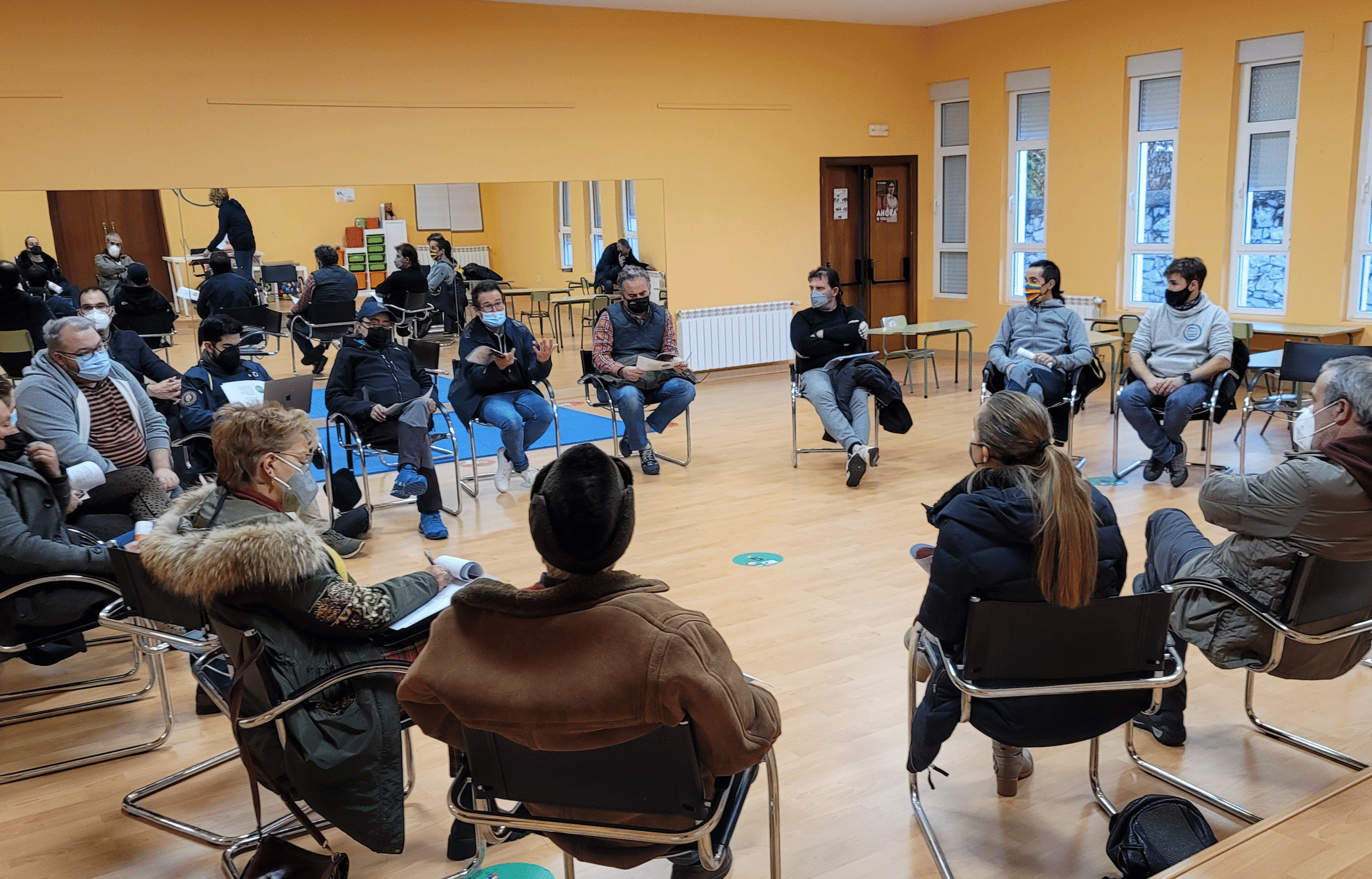
On November 24, we held the second collective interpretation session within the framework of the Community Engagement Platform in Velilla Del Rio Carrión (Palencia, Spain). There, we shared with 19 representatives of local citizens the perceptions identified during the listening process, with the aim of generating interconnected responses towards a just transition of the territory.
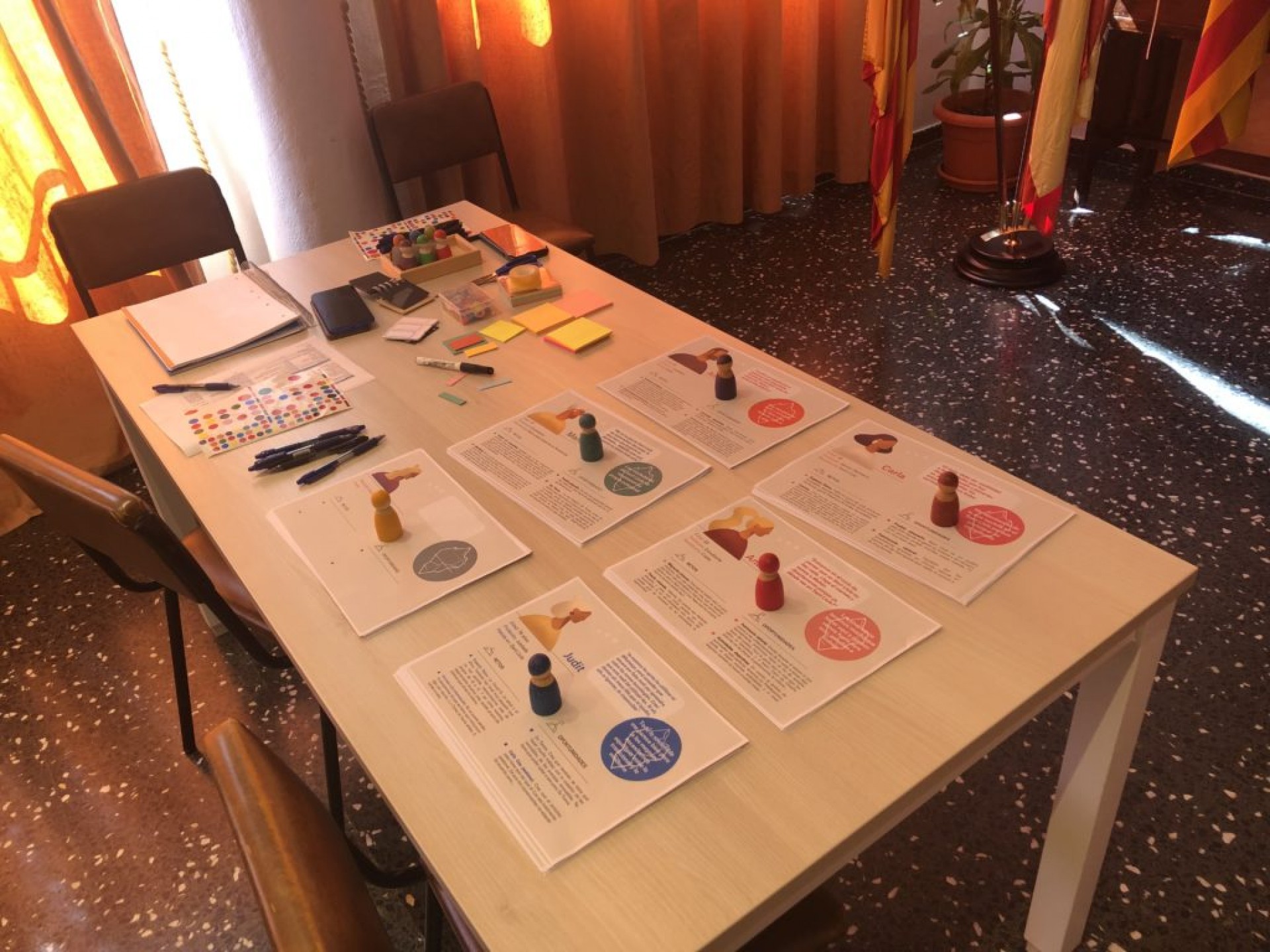
In the listening process, in addition to traditional surveys and statistics, we also interviewed different agents of the ecosystem. Observing behaviors and digging into the stories and narratives in which the perception of a territory is expressed is key to getting to the bottom of the real concerns and needs of citizens and initiatives. From the gathered insights, we applied a series of parameters of analysis and brought patterns of metanarratives around challenges and opportunities to ethnographic “personas”. These personas are based on the narrative analysis. They are not merely based on demographic data or quantitative analysis: they represent unified perception, behavioral and thinking patterns collected in the 70 interviews conducted in these months. During the session, we shared these personas with the aim of verifying if the narratives identified correspond to reality.
Most participants recognized the ideas and perceptions represented in the “personas”, and shared the need to break down certain barriers for driving change: “This is our problem, and we have to fight it” or “The first thing to do is to value the area and believe in ourselves”. The discussion also highlighted the value of the human and natural heritage of the territory and its potential towards the sustainable development of the region. Aslo, they talked about the need for greater institutional coordination, partnership, mutual support and assessing the initiatives of the local inhabitants.
Collective interpretation sessions are essential to jointly identify new areas of opportunity that respond to real perceptions and needs of the territory as a first attempt of co-creation.
The ALC team visited the Maldives Social Innovation Platform, a project that is being developed together with the UNDP Accelerator Labs in Maldives. During the visit, possible areas of collaboration with key agents have been identified, all related to the needs identified in the deep listening process.
According to the Multidimensional Poverty Index (MPI, 2019) data for the Maldives, almost one third of the population is multidimensionally poor. This is higher for women, old people, people with disabilities and those living in remote areas of the atolls. With the evolution of the Covid-19 pandemic, and with the Maldivian economy deeply affected by the high dependence on the tourism sector, this economic growth has become vulnerable and the economic and social inequalities have widened, especially for women . In line with this, as almost half of Maldives’ population and more than 70 percent of its critical infrastructure lie within 100 meters of its shoreline and this close proximity to the ocean makes the island nation a prime location for the Blue Economy (refers to the sustainable use of ocean resources for economic growth and better lives) has been selected as main entry point within the SIP Maldives and Future of Work.
During the last year, ALC has developed, in collaboration with UNDP Accelerator Labs & UNDP Maldives, a listening process in 20 islands. In this process, the narratives that are operating in the territory have been collected, that is, the underlying values and behaviors, as well as the emerging needs and challenges, to take into account in future actions for the economic recovery of the country.
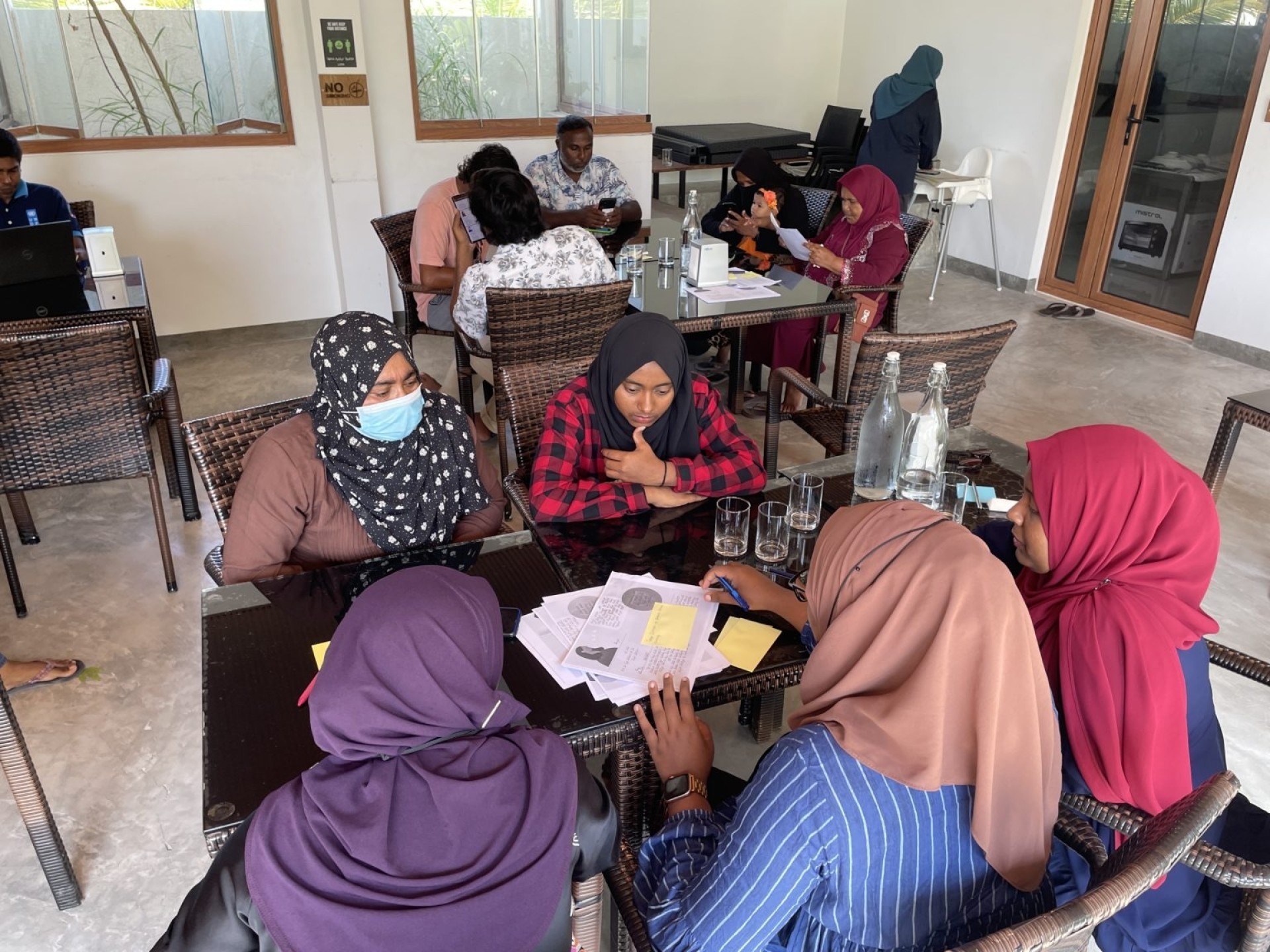
Starting from the listening process developed last year, the Platform agents organized different face-to-face sessions of collective interpretation. These sessions consist of sharing the results of the listening process with a wider local community, in order to contrast and enrich them. Each sensemaking session happens after the completion of each listening iteration. The objective is to share the challenges and opportunities identified with the agents and representatives of the community , so we can gather ideas of what is missing.
Sense making sessions
On March 22, the first collective interpretation session took place at B. Goidhoo. Different people from the community and key agents came from three islands of the Baa atoll (Goidhoo, Fehendhoo, Fulhadhoo), where the listening process took place in December. Participants included members of the council, the women’s development committee, members of local tourism, local NGOs and the women’s and youth community, who contrasted the profiles presented and discussed possible solutions in the framework of the future work. An important thematic focus has been the empowerment of youth and women, sustainable tourism and blue economy.
On March 24, the second collective interpretation session was organized with local agents from Dhiraagu (main telecom company in the country), Women in Tech, Business Center Corporation (BCC), Maldives Authentic Crafts Cooperative Society (MACCS), Ministry of Economic Development and UNRCO in Male, the country’s capital. In this session they shared the main challenges and opportunities in relation to the existing initiatives that operate in the Maldives. Thanks to the collective interpretation sessions, it has been confirmed that the Maldives has the capacity to transform and, more importantly, that the community is collectively committed to achieving it.
With the information collected in the listening and collective interpretation sessions, as well as in the field visit, the main thematic areas identified in the Social Innovation Platform on the Future of Work in the Maldives are the following:
• Youth and women empowerment
• Sustainable tourism (community tourism and traditional livelihood activities)
• Blue economy (fisheries, marine ecosystem)
These three thematic areas are interconnected and correspond to all challenges and opportunities identified. The portfolio that will be generated from these conclusions will include interventions and initiatives at 5 different levels that address all the thematic areas, which will be worked on in the next co-creation sessions.
Areas of opportunity identified
Most existing initiatives in the Maldives operate at the community level and aim to empower youth and women. Depending on each island, there are initiatives that address skills development and training programs. However, and as confirmed in the collective interpretation sessions, these initiatives don’t have a significant long-term impact. Vocational training courses are needed to facilitate entry into the labor market. As for other thematic areas related to sustainable tourism and the blue economy, traditional agriculture, fishing and domestic work are the main activities that lack a fixed market system. The opportunity to interconnect traditional subsistence activities with the tourism value chain as a form of local community development has been identified.
To do this, there’s a list of initial ideas that could be considered for the co-creation process of new prototypes in these 5 levels of intervention. Once we have collectively devised these new actions, we will prioritize and co-design their routes to start prototyping (prototyping allows us to evaluate and correct them in real time). All of them need to be integrated and conceptualized as an interconnected portfolio.
Among the large-scale productive and business projects with a community component, such as SEEDs and the MEERY project are a good example that could be replicated in other atolls, since some of them currently concentrate their activities in one atoll or specific island.
The interconnection of these initiatives and cross-sector collaboration are crucial to achieve a sustainable impact. On the other hand, it should be noted that during the collective interpretation sessions, a space for collaboration and joint discussion was created where the participants showed their enthusiasm for the next phase of the Platform. These types of sessions could be a great opportunity to bring together different stakeholders and try to find the best way to combine their competitiveness with collaboration.
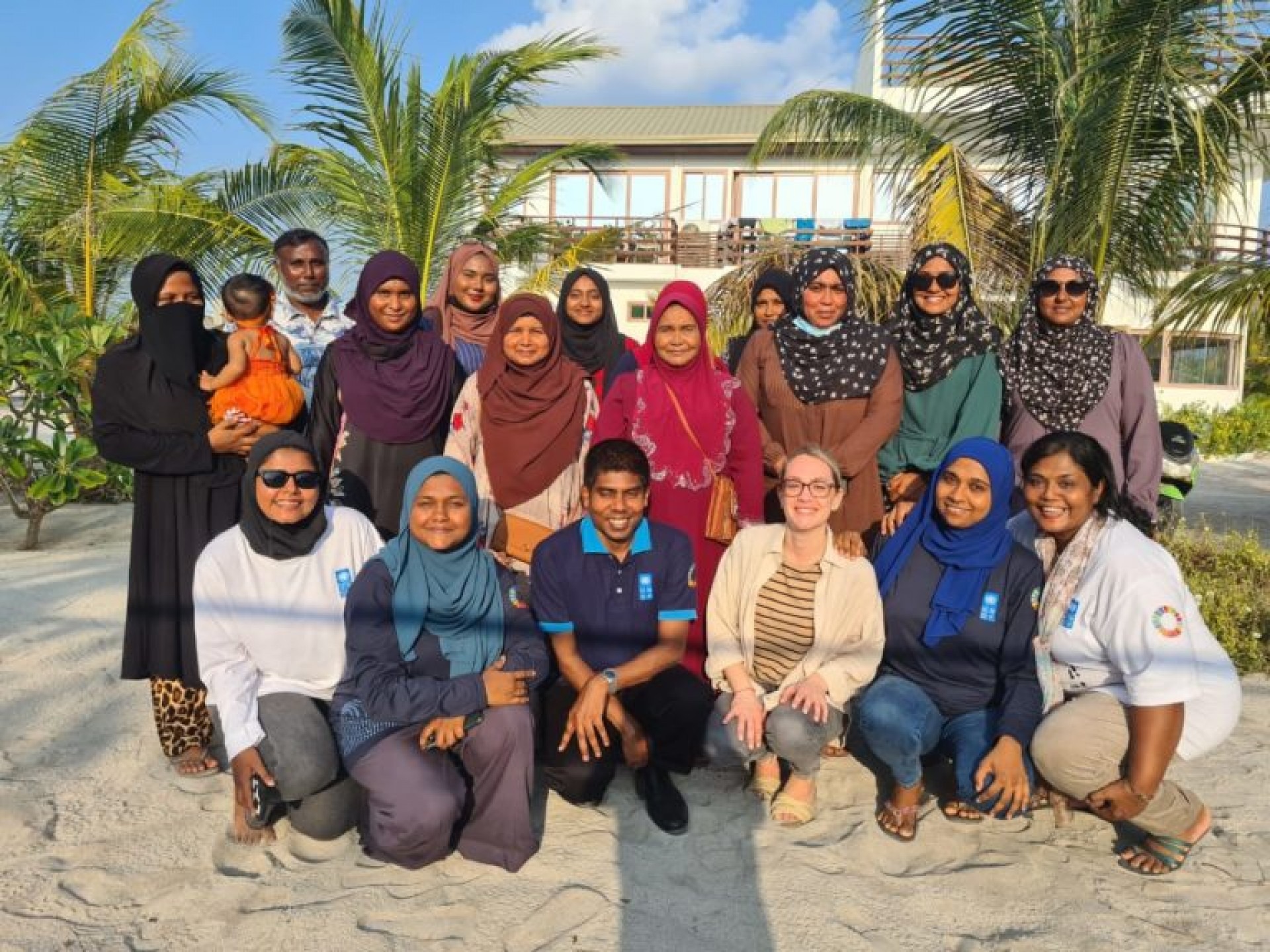
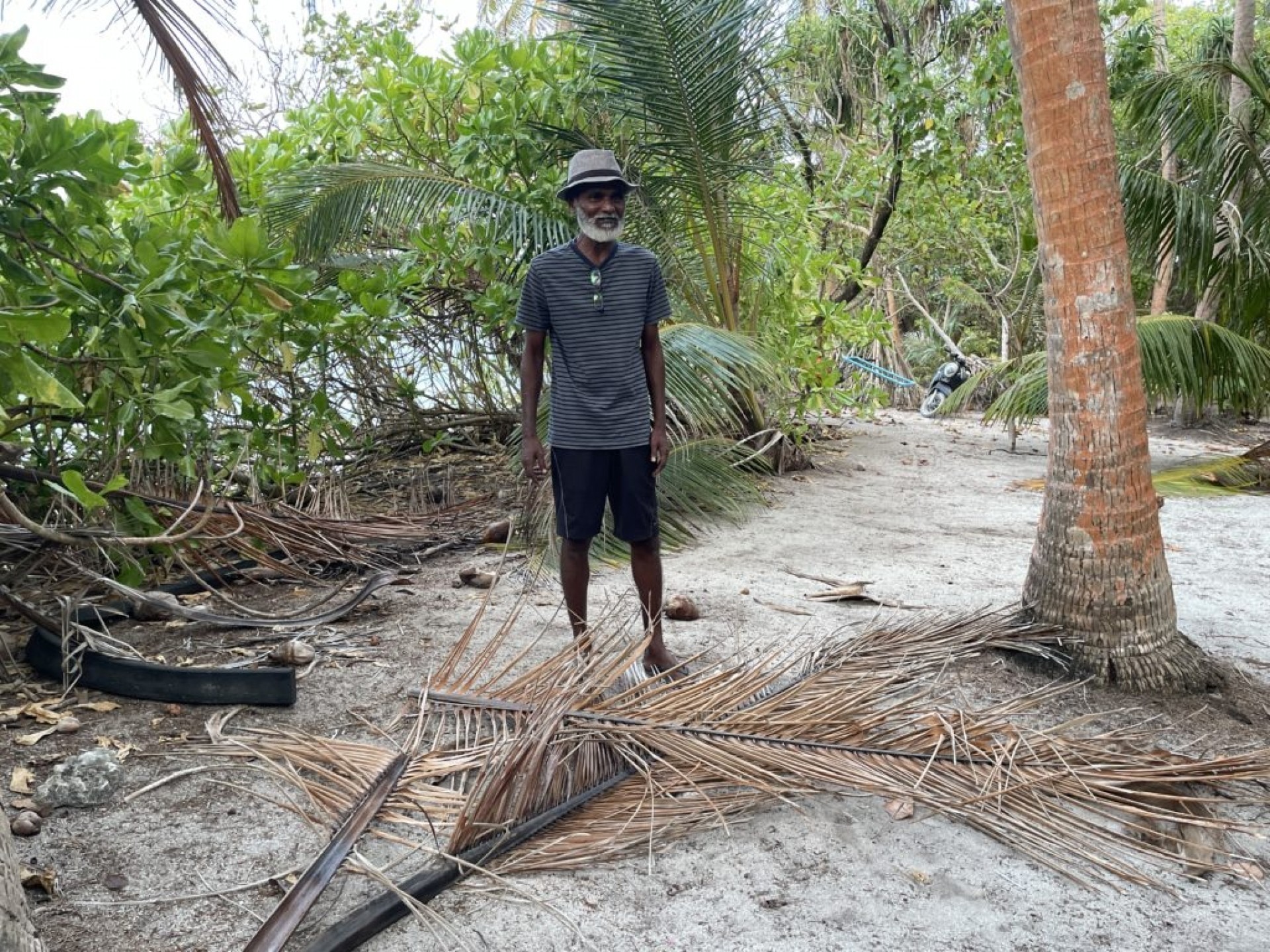
ALC also visited the island of Fulhadhoo together with the local UNDP Maldives team, where we were able to speak with home-based workers, marine activists and other members of the community. The visit made it possible to see up close the activities of the community on the islands and deepen the listening carried out in the last year.
Next steps
Deeper listening. A second iteration of interviews and channels that enrich the listening process. After the first co-creation sessions, missing information will be identified and the second iteration of interviews will be designed accordingly.
To systematize open spaces for deliberation and collective interpretation.
A co-creation process based on profiles, in order to build a portfolio of multilevel initiatives focused on people.
ALC collaborates in Sant Lluís (Menorca) to create a space for citizen experimentation that addresses tourist seasonalization
ALC has been piloting a new working model with the Sant Lluís municipality in Menorca so that its actions are more connected with the local community. From the institution, it was proposed to apply an innovative participation approach that makes Sant Lluis a pioneer as a space for advanced experimentation at an international level in innovative processes around deseasonalization.
It is a challenge and a global need (to generate different types of socioeconomic activity throughout the year) whose objective would be advanced knowledge and new sources of investment, giving visibility to the municipality beyond tourism. During the last six months, ALC has developed, in collaboration with the municipality, a deep listening process through different channels. In this process, the narratives that are operating in the territory have been collected, that is, the underlying values and behaviors, as well as the emerging needs and challenges, to take into account in future actions.
Collective Interpretation session
Starting from the listening process developed last year, the Platform agents organized different face-to-face sessions of collective interpretation. These sessions consist of sharing the results of the listening process with a wider local community, in order to contrast and enrich them. Each sensemaking session happens after the completion of each listening iteration. The objective is to share the challenges and opportunities identified with the agents and representatives of the community , so we can gather ideas of what is missing.
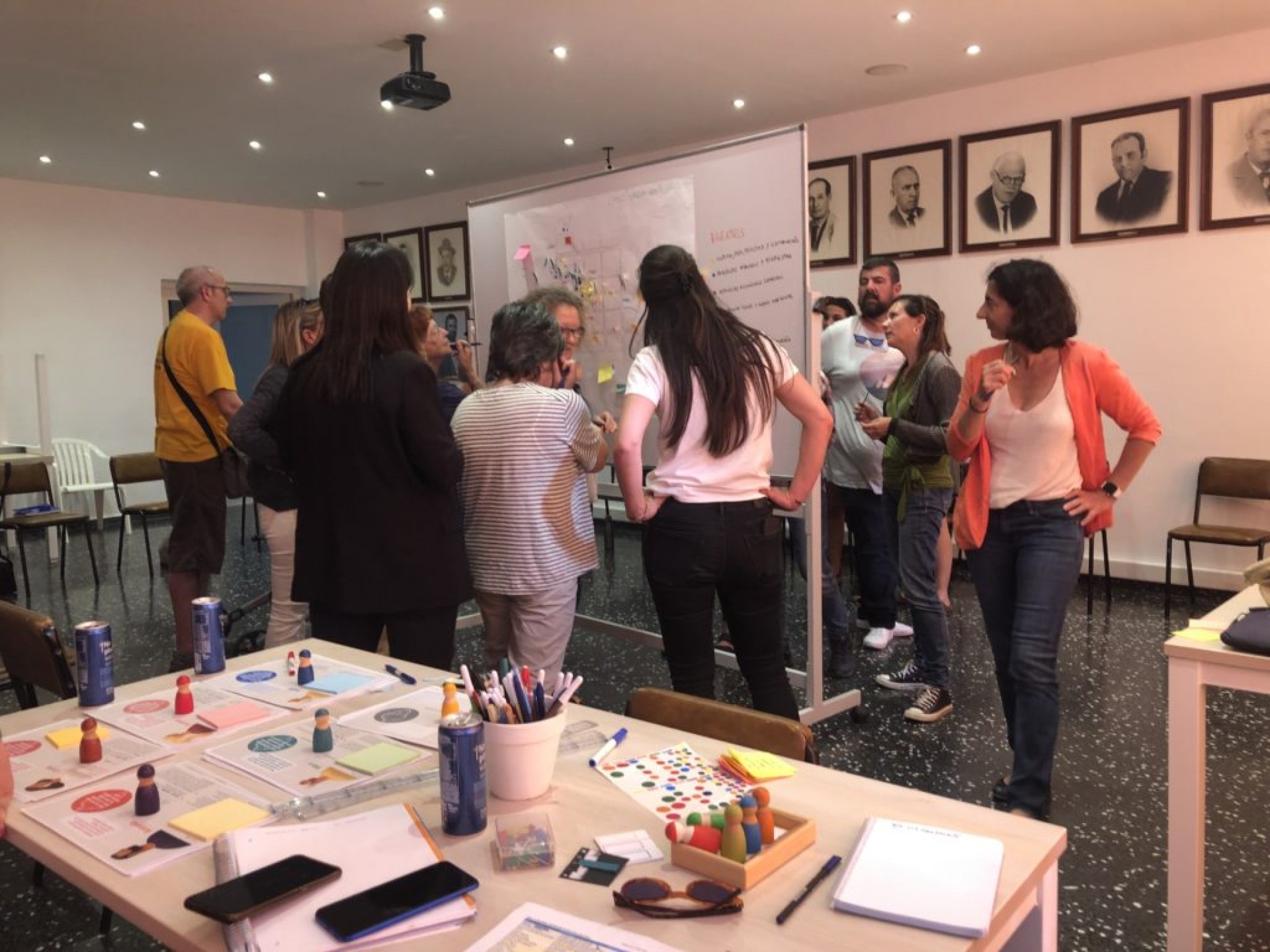
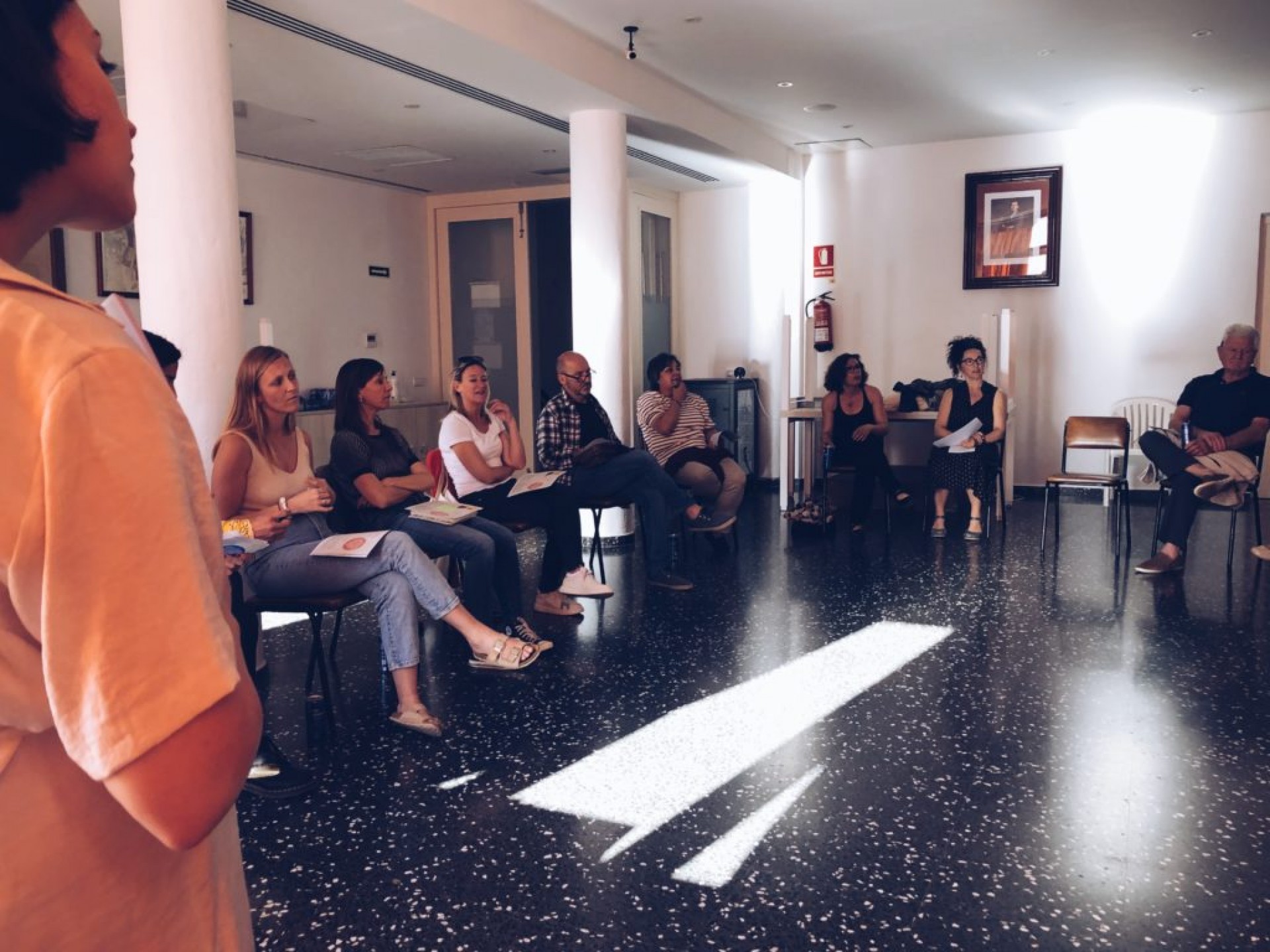
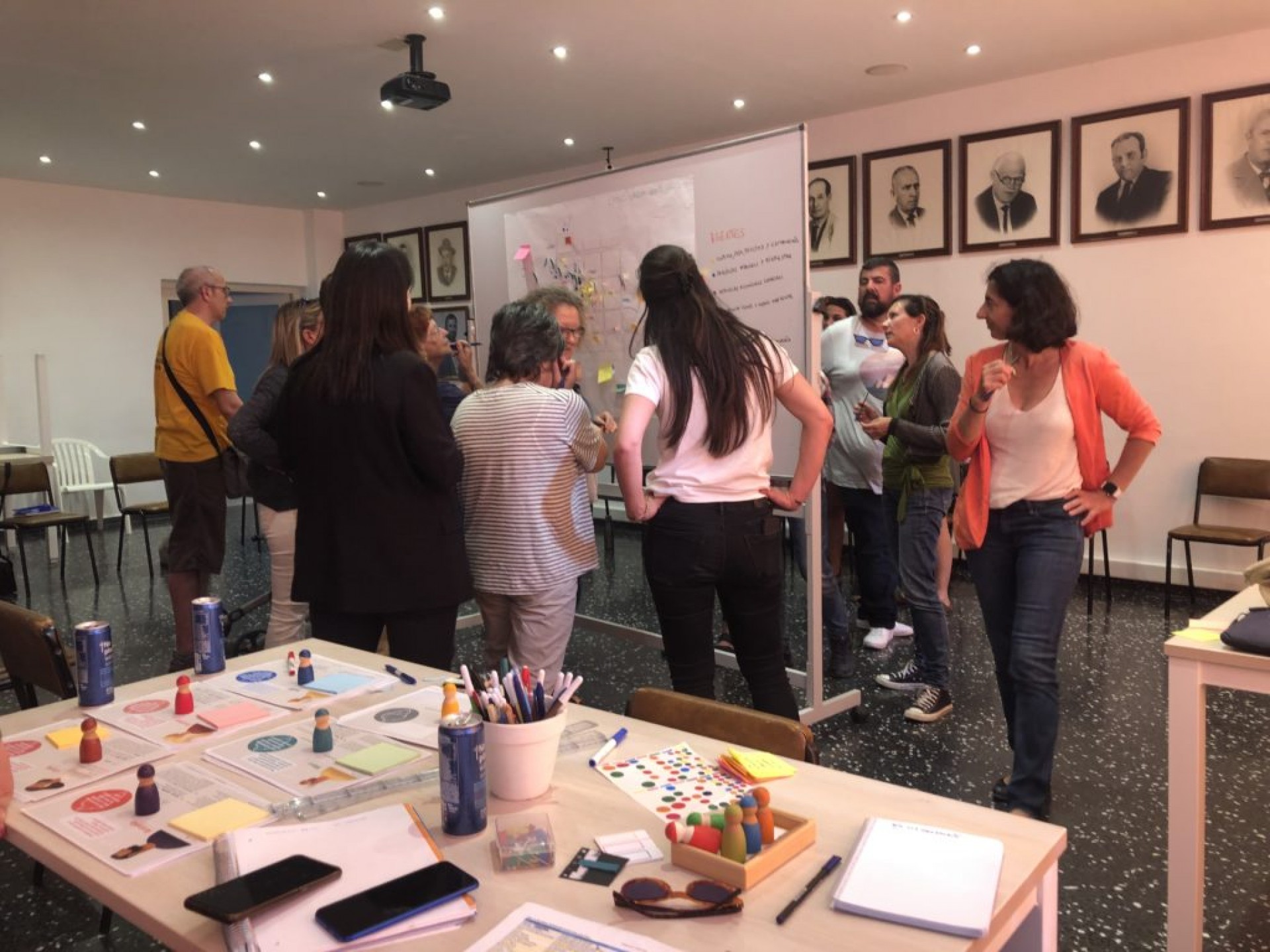
Different people, representatives of entities and residents of the municipality attended the session on May 11. Among the participants were members of associations, public entities, members of the retiree club, members of local tourism and business owners, who contrasted the analysis presented and discussed key ideas: participation, physical meeting spaces, identity, strengths, opportunities, challenges and solutions. An important thematic focus has been that of the intergenerational connection between citizens.
In this first session of collective interpretation, it has been confirmed that Sant Lluís has the collective motivation to understand what is happening in the municipality in order to transform itself.
Co-creation grounds
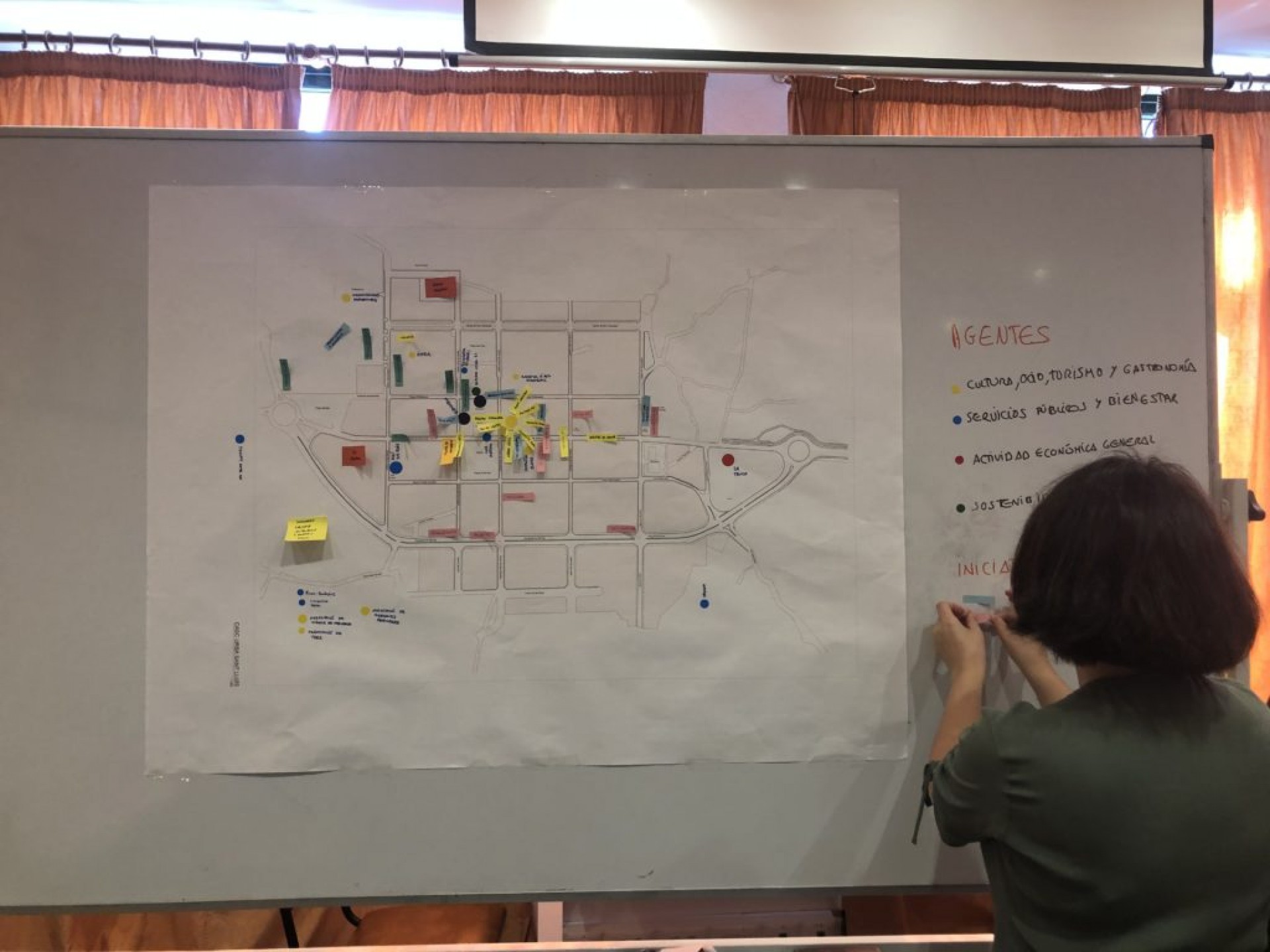
With the information collected through listening, the mapping, as well as that contrasted in the collective interpretation session, five main thematic areas (arches) have been identified:
Culture, leisure, tourism, gastronomy
Economic activities
Sustainability
Services and wellness
Most of the existing initiatives in Sant Lluís operate at a service level, identifying that many of them are promoted by the municipality (supplying, for the most part, the activities programming leadership). A key focus on sustainability has been identified, related to economic activities, campaigns (educational and cultural). There is also a territorial disconnection between the urban area and the coast. Due to its summer tourist focus, the coast is devoid of basic services during the winter and all tourist, cultural and leisure programming is relegated to summer.
The participants identified more initiatives that are operating in the territory and at the same time proposed: (1) education on gastronomy for young people, (2) more cultural leadership to organize activities (so not everything depends on the municipality) (3) improvement of paper-digital communication of available services (4) more connection of inland tourism-coast-nucleus.
The mapping on the cartography of the region came as a surprise to many participants who were not aware of the variety of local activities and associations.
These sessions have been identified as an ideal space to continue exploring citizen participation and consultation from a new portfolio approach of interconnected initiatives, with the idea of transferring it to spaces beyond the municipality. It should be noted that the majority of participants, as well as the narratives identified in the listening, pointed out precisely the lack of spaces for exchange and general debate. The participants have thus shown their enthusiasm for the next phase of the Platform. These types of sessions could be a great opportunity to bring together different stakeholders and find the best way to combine their competitiveness with collaboration.
Next steps
Deeper listening. A second iteration of interviews and channels that enrich the listening process. After the first co-creation sessions, missing information will be identified and the second iteration of interviews will be designed accordingly.
To systematize open spaces for deliberation and collective interpretation.
A co-creation process based on profiles, in order to build a portfolio of multilevel initiatives focused on people.
 Read more