IMG_2134

Lakua-Arriaga Launches Its New Community Care Initiatives

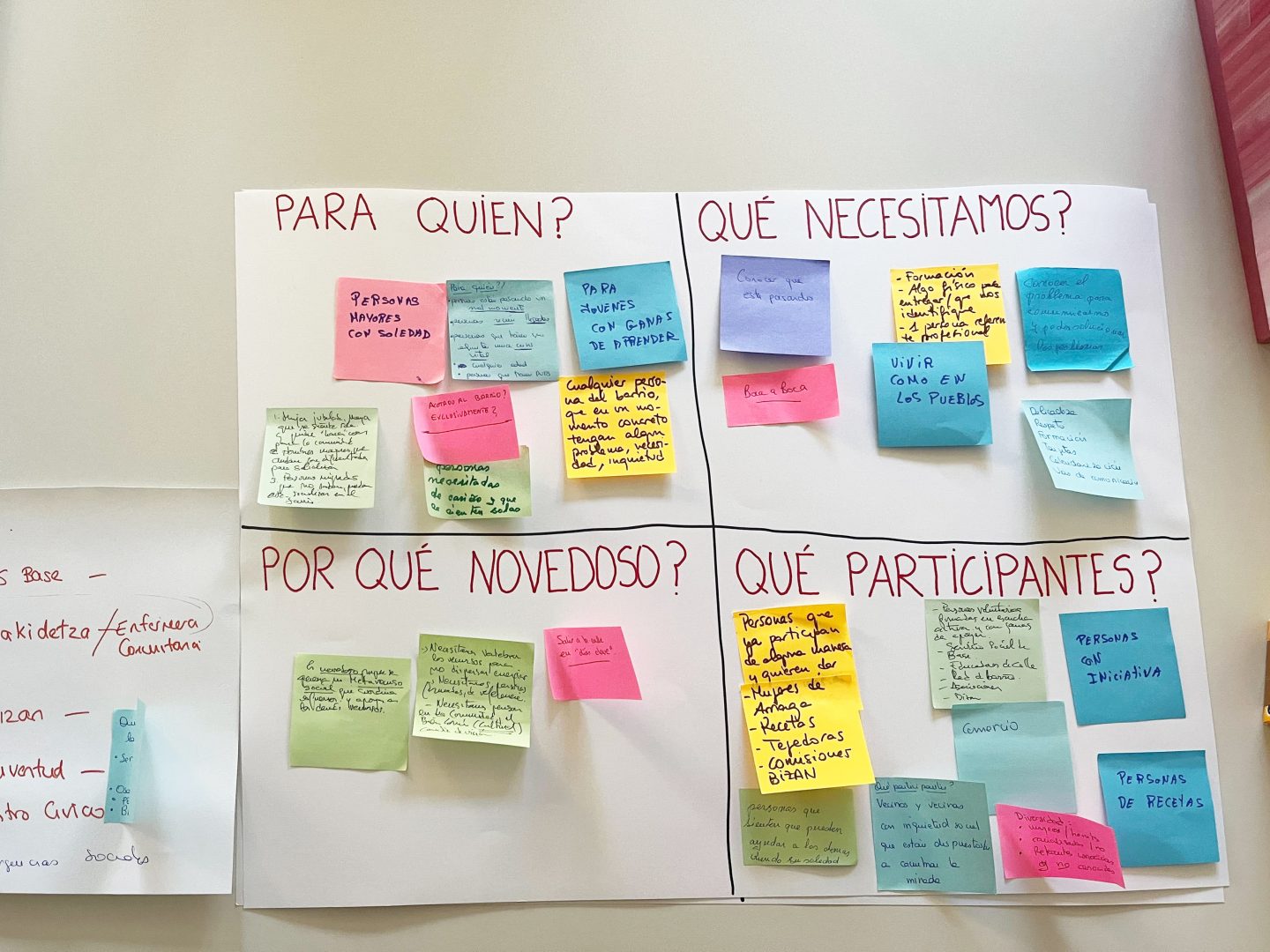
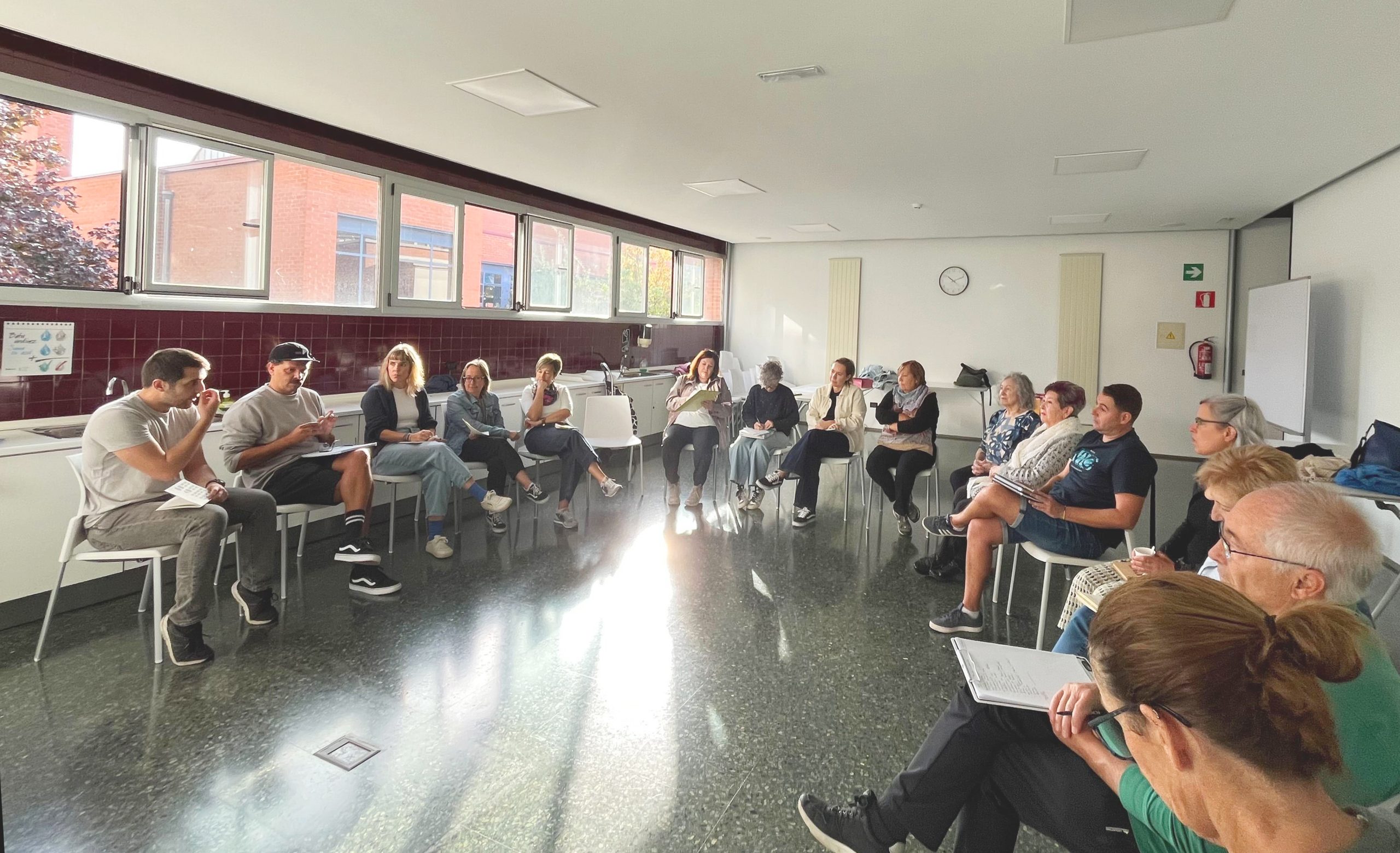
More than twenty people gathered in Lakua-Arriaga to continue shaping the process of building a community network in the neighborhood. The meeting brought together a diverse group: in addition to technical experts, participants included older volunteer residents, representatives from the parents’ association (AMPA), local organizations, and young people and immigrants, whose input had been gathered beforehand by the street educator.


The session began with a short skit performed by the Arriaga Loturik network, which brought to life three realities of the neighborhood: Maite, an elderly resident who volunteers but also requires care; Jose, who embodies the barriers to access faced by young people, migrants, and retired men; and Leire, the technical staff member who seeks to give the neighborhood a greater voice beyond the confines of the office.

The discussion stimulated debate and made it clear that the focus should be on ongoing, community-based processes. Two key challenges also emerged during the conversation: the need for a clearer commitment from the government and its adaptation to new neighborhood needs, and the need to better understand the spaces and rhythms of the groups with which it is most difficult to connect (youth, the immigrant population, and retired men).


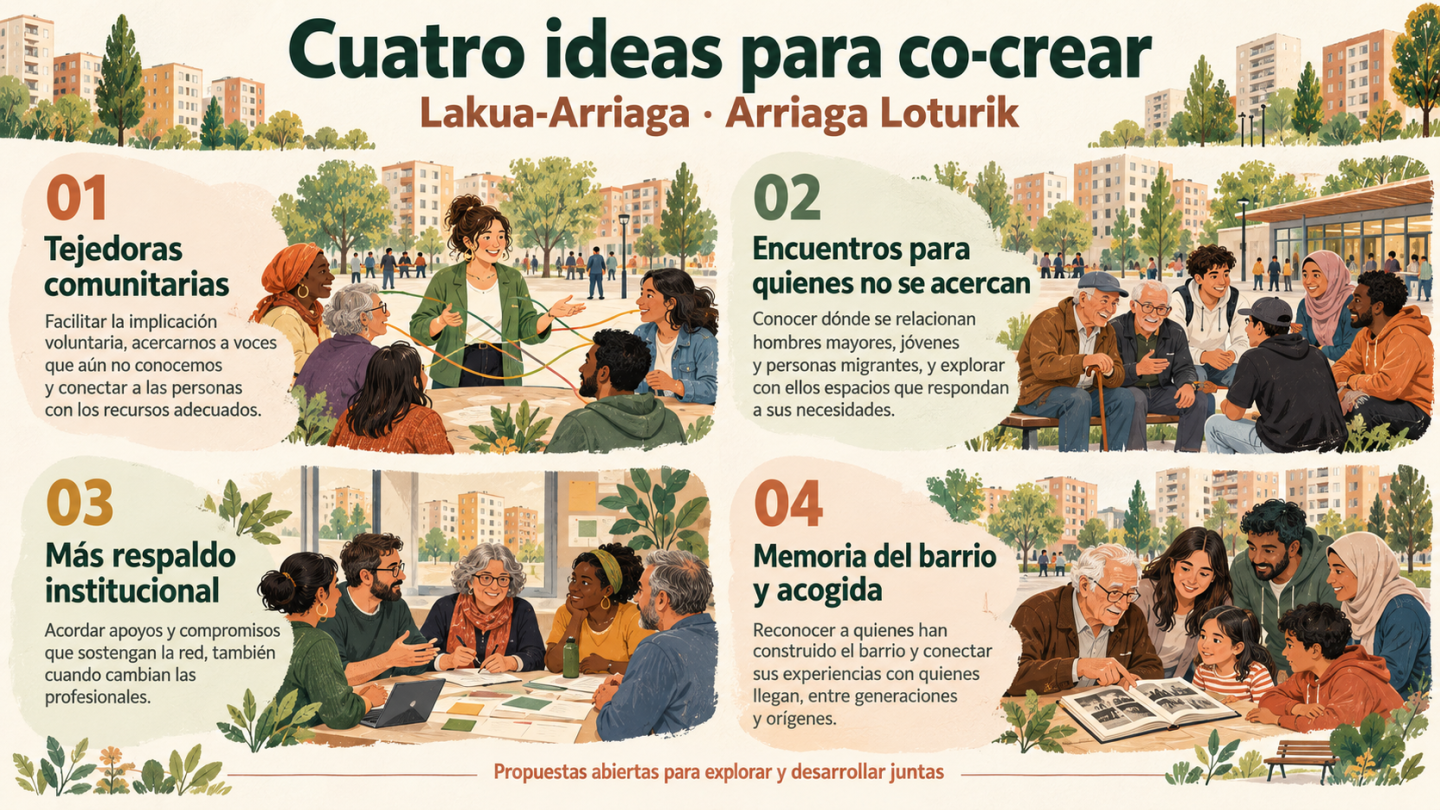
After discussing four initial proposals, the group agreed to focus its efforts on two specific projects:

  • Community Weavers: Establish a neighborhood support network with tangible tools and explore the role of a professional community facilitator to ensure the process’s continuity, drawing on lessons from experiences such as those in Getxo and Galdakao.

  • Living Memory and Welcome: Combining recognition of the older adults who built the neighborhood with an active welcome for new generations and those arriving from outside, through initiatives such as photo compilations, community gatherings, or partnerships with schools.
The meeting concluded with very positive feedback and a desire to continue building on this progress. The next step in the process will focus on training sessions to begin shaping these two initiatives.