6B83BC06-C3E1-4157-A1CF-06C9FCF2EB07

Seminar: “Community Listening at the Service of Socioecological Transition Processes”

Editor's note

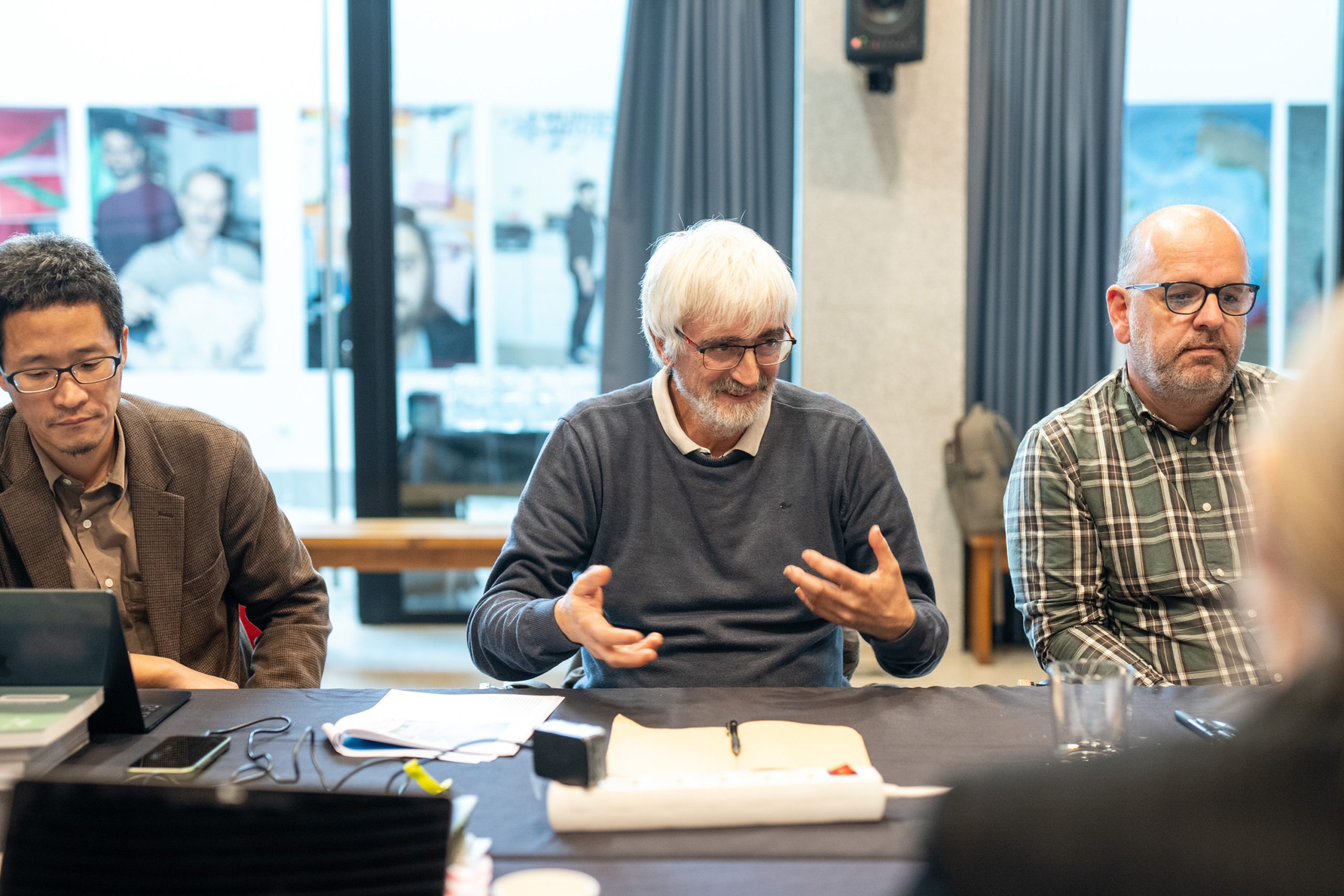
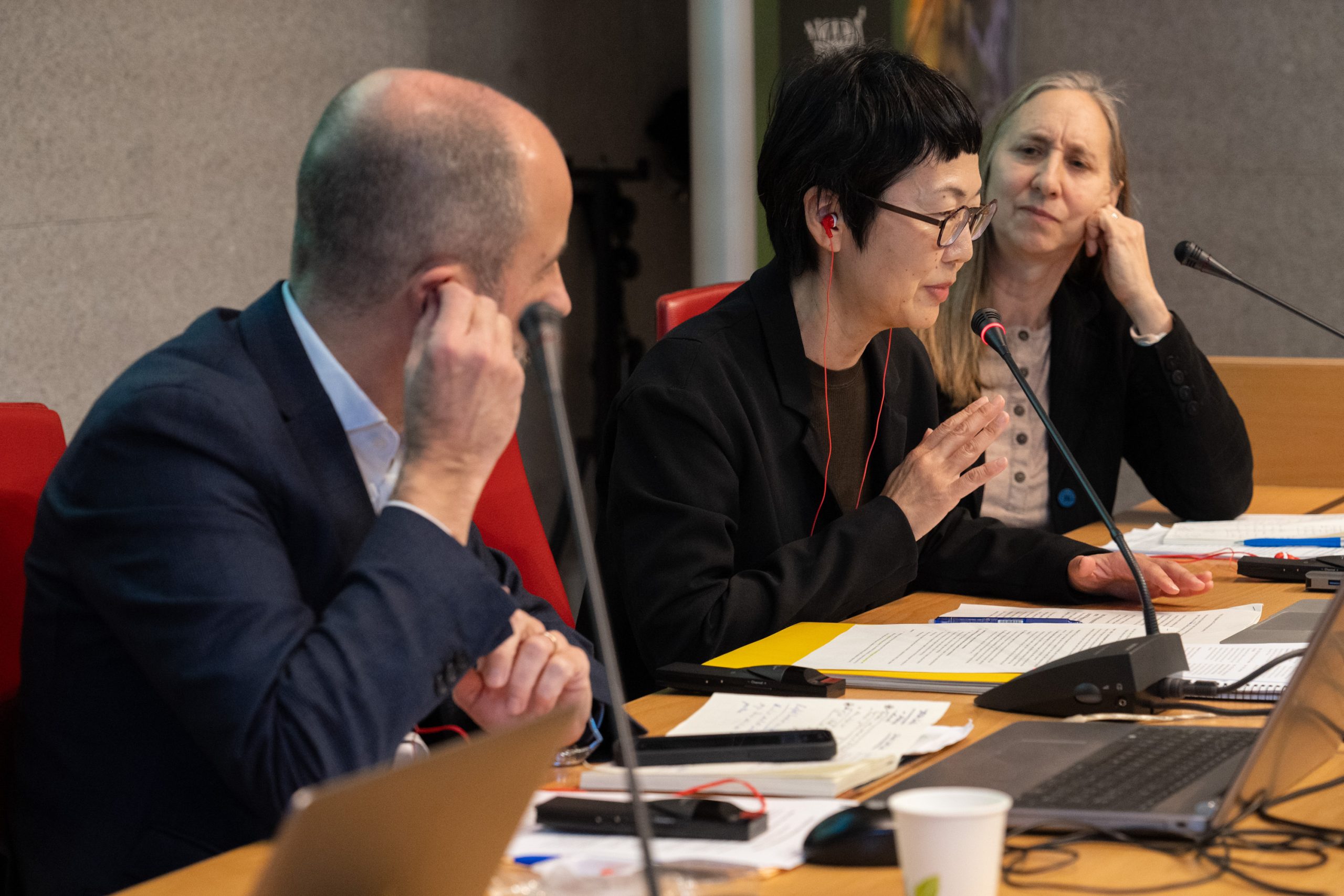
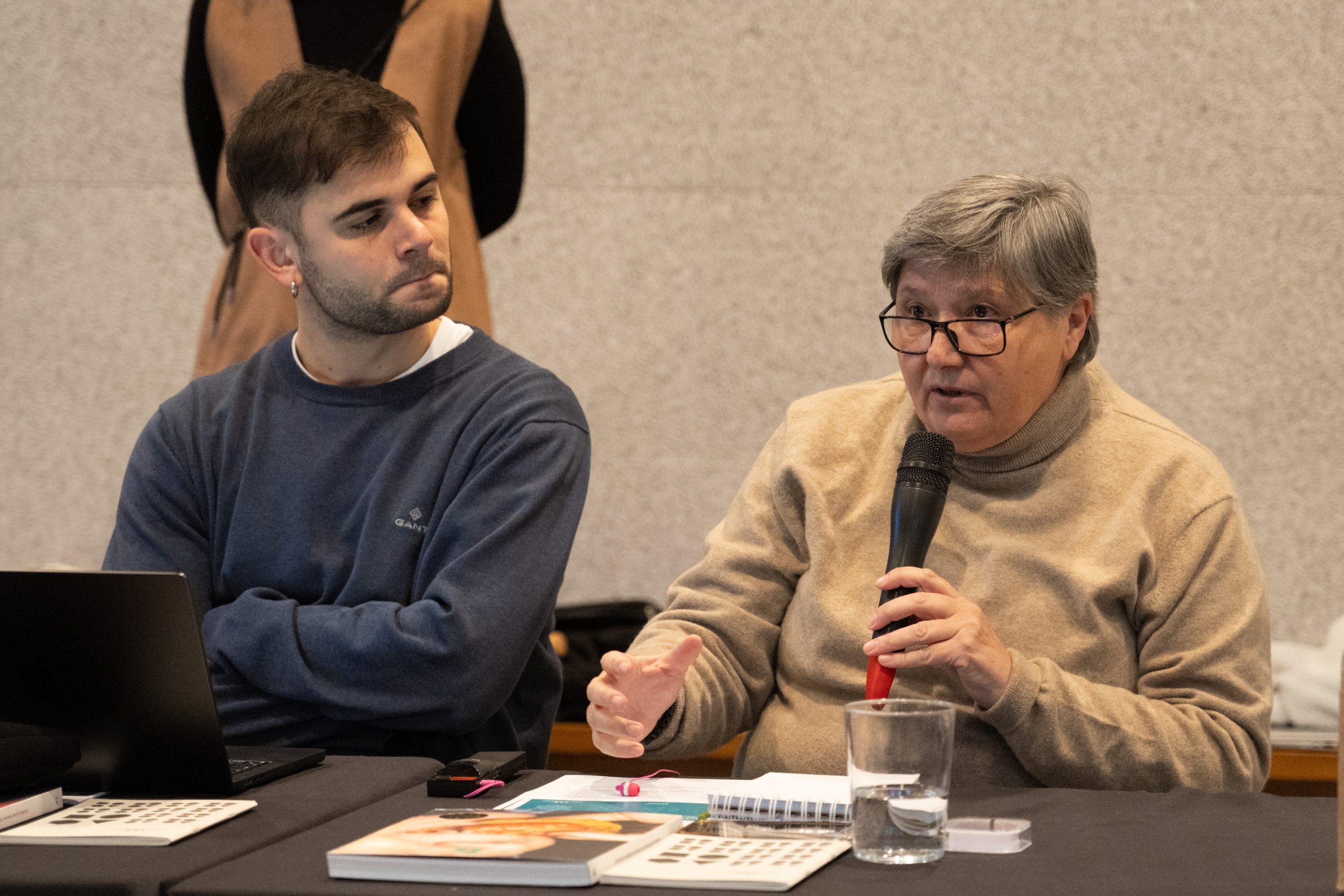
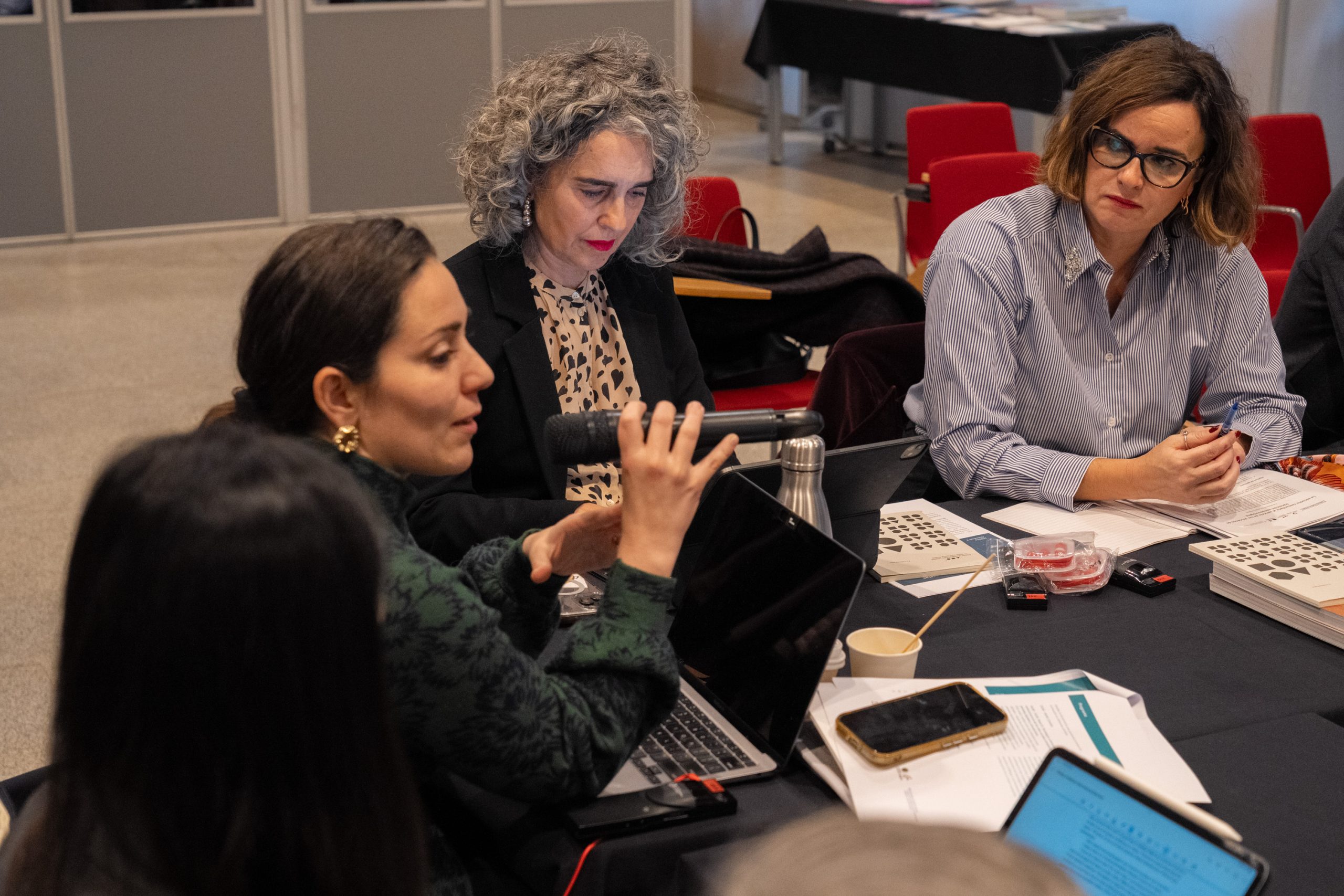
The Agirre Lehendakaria Center (ALC), in collaboration with AC4 of Columbia University and with the collaboration of Hiroshima University, held the academic seminar “Community Listening at the Service of Socioecological Transition Processes” this week in Ekoetxea Urdaibai. With the participation of international academics specializing in governance systems and participatory processes, rights of nature, urban planning, architecture, art, and tourism, the meeting gathered local representatives and community members to contrast and enrich the methodology and results of the listening process regarding the possible expansion of the Guggenheim Bilbao museum in the region.

Originally published at ac4.climate.columbia.edu


The first day focused on internal working sessions, dedicated to strategic reflection, objective alignment, and the joint exploration of opportunities for socioecological transition. Topics addressed included governance, culture, art, nature, and territorial economy. Representatives from the municipal governmnets of Busturia, Ajangiz, Muxika, Sukarrieta, Gautegiz Arteaga, Elantxobe, Ibarrangelu, and Ereño attended, sharing their vision on the necessary conditions for a just transition in Urdaibai.


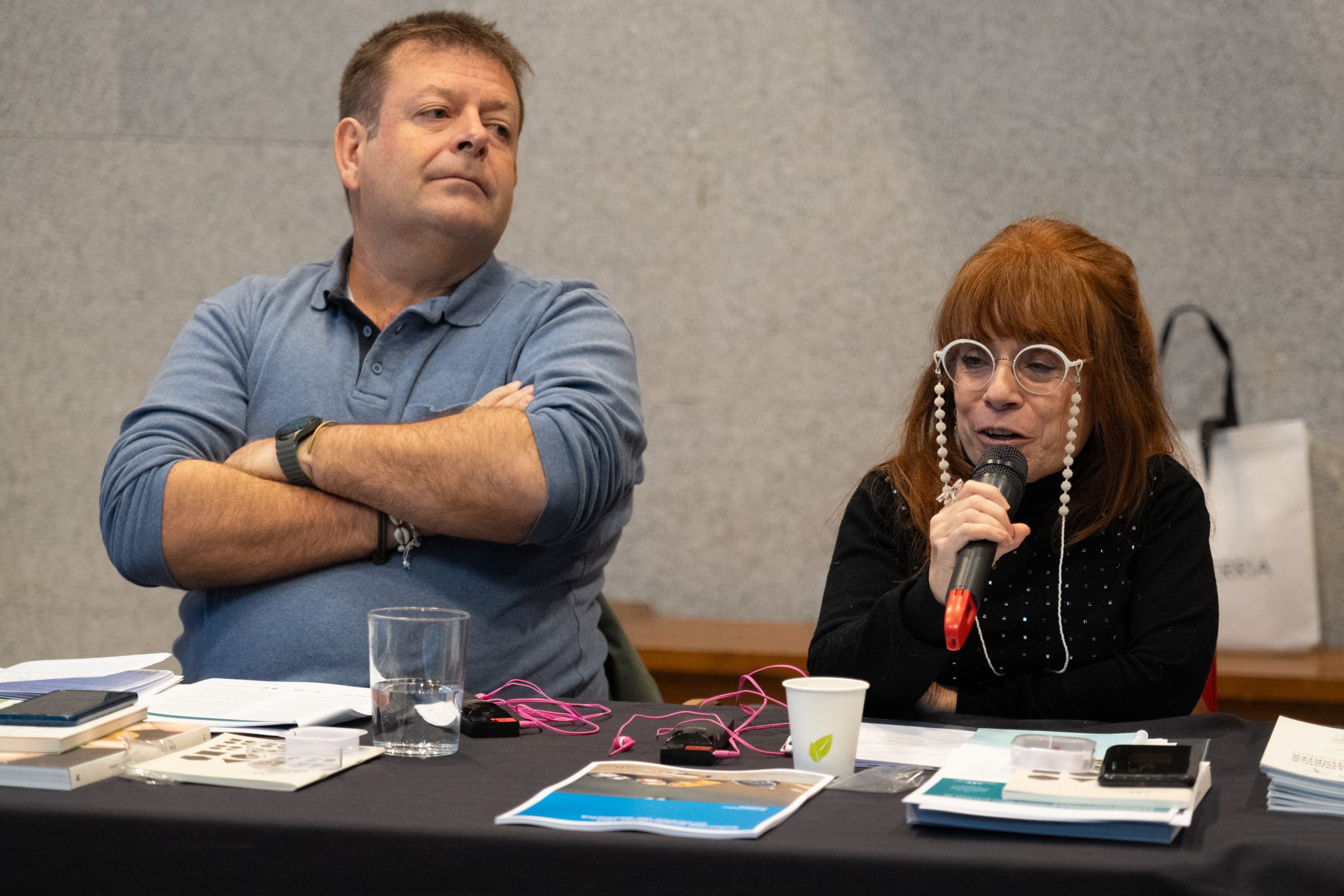
The second day, focused on community listening as a tool to support socioecological transition processes, was dedicated to open panels and debates on citizen participation, governance, technological innovation, and the role of culture in territorial transformation processes. The case of Urdaibai was analyzed, where, to date, the Agirre Lehendakaria Center has already collected more than 950 narratives, exploring how community listening can contribute to a better understanding of all the nuances surrounding the possible expansion of the Guggenheim museum in the region. Topics also discussed included the application of technology and social digital twins for participation and collective decision-making, and the function of art and culture in connecting the community with nature and the territory.


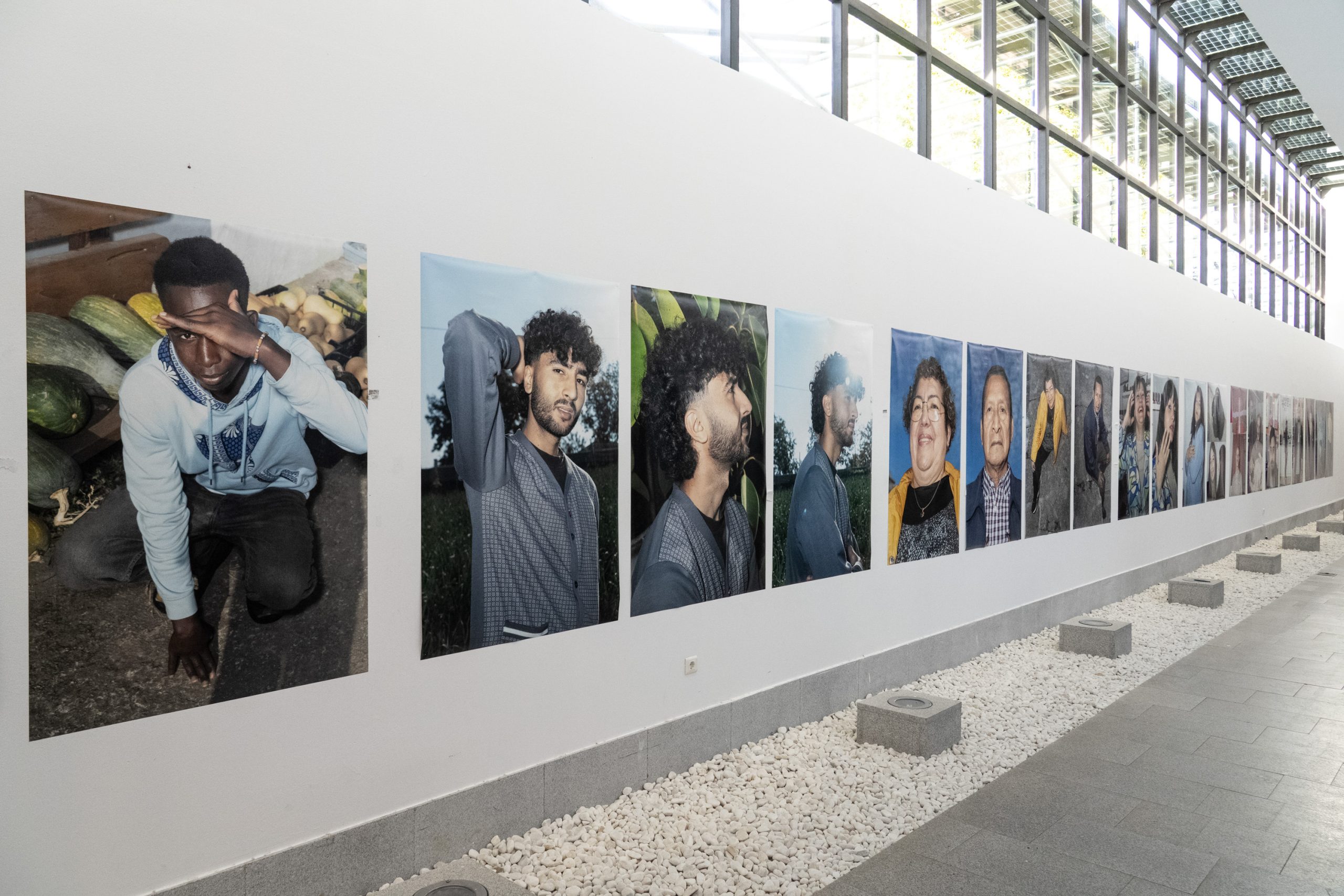
The meeting also featured the photographic exhibition “Kanpokoak” (The Outsiders), by photographer Vicente Paredes, a regular collaborator of ALC. The exhibition portrays migrant people who live and work in Urdaibai, whose voices are more difficult to capture in listening processes. It reflects, through their gestures and gazes, their effort to find a place in a land that they slowly begin to feel as home.


During the seminar, academics presented international cases to contrast and enrich the dialogue on the methodology of the listening process and discussed best practices in collaborative governance, human development, and sustainable tourism. ALC also presented the latest developments in the listening process, which are summarized below.

Latest developments in the listening process in Urdaibai

Since the beginning of the process, five narrative positions have been identified, whose prevalence has varied as the listening advanced. Within a longitudinal analysis of the listening process, it appears that the narrative pattern opposed to the museum's expansion was initially the most represented in the early phases of the work. This typically occurs in snowball-based qualitative sampling, where the most mobilized and involved voices tend to appear first. However, over the months and as the listening has broadened and diversified, a significant portion of these initial narratives has shifted toward Pattern 2, which represents narratives also opposed to the expansion but focusing on the region's development. This pattern could be defined as “no to the expansion, but yes to development”. With 950 narratives collected, this pattern constitutes the prevalent narrative space.


From a methodological perspective, and following the interpretive framework validated by AC4 – Columbia University, these types of shifts should not be understood as a linear substitution but as a natural evolution of the narrative ecosystem. As listening advances and spaces for collective interpretation emerge, less polarized voices appear that seek to integrate criticism of the museum's expansion with the need to open a broader conversation about the region's development. Many people’s discourses have become more nuanced over time and have shifted toward positions more characteristic of Pattern 2.


In parallel, Pattern 5 (“my opinion doesn't count”) has grown as an indicator of inequality and disaffection, incorporating youth, migrant people, and voices distrustful of institutions. Regardless of its prevalence, its structural and cultural significance is very important. Pattern 3, favorable to the project, remains stable, gathering both people who support the project and precarious groups who see the museum as an opportunity in the face of decline.


Finally, Pattern 4 (“depends on how it is done”), initially more present, has gradually been diluted. Those who demanded data and guarantees have evolved, mostly shifting toward Pattern 2 (which does not view the project favorably but demands discussion about the territory), and, in some cases, toward Pattern 3 (favorable to the project). The final report, which will be presented on January 23, 2026, will detail this analysis and make the complete content of all collected narratives available to all interested individuals and institutions.

Conclusions of the Seminar

After analyzing this information and contrasting it with the international experiences presented at the seminar, the Director of AC4-Columbia University, Joshua Fisher, presented the following conclusions:


1- The listening process has brought to light the different ways of viewing this project. There is no single way to view it, and many nuances exist. Compared to a black and white photo, we now have many color photos and images that give us a richer and more complex perspective. The listening process has created a space for the citizens of Urdaibai to share their opinions on how these types of decisions should be made, which voices can and should be included, and how to ensure their needs and aspirations are taken into account.


2- The museum is an important part of the discussion, but the listening process invites us to focus on the challenges and possibilities for Sustainable Human Development in the region. The mobilization of diverse perspectives and groups has demonstrated the citizens' willingness to be protagonists in the future of Urdaibai.


3- The willingness of public institutions to create this open and deep listening process demonstrates their conviction to work toward innovative and collaborative governance. Globally, there is a tension between the need to create open and deliberative spaces for policy formulation and the need to present concrete projects and programs that address the concerns of the citizens as their elected representatives. Considering the international experiences presented, it would be beneficial for the public institutions (which promoted this process) to listen to the prevalent narratives and take them into account for future decisions.


4- Differences exist, but there are also broad consensuses regarding the region's development. Nobody questions the necessity to combine environmental protection with the socio-economic development of Busturialdea. According to what was learned in the seminar, such broad consensuses do not occur often, and we must take advantage of them to build a shared future.


5- Institutions are committed to this development and will try to connect existing efforts (strategic plan) with the listening process. This is one of the great lessons presented by the international seminar. Instead of listening punctually, at the beginning and end of projects, the most successful processes are those that develop a capacity for listening sustained over time. This sustained listening allows for real-time adaptations. Today, we also have new digital tools that we must learn to incorporate into our governing practice.


The seminar featured the participation of prominent international experts and academics, including the ALC team; Joshua D. Fisher, Director of AC4-Columbia Climate School; Karin Okada, Collaborator of AC4-Columbia Climate School; Jacqueline M. Klopp, from Columbia University; Thaddeus Pawlowski, from Columbia GSAPP / Center for Resilient Cities and Landscapes; Tamara Muruetagoiena, from FRESH PRODUCE; Lidia Cano Pecharroman, from the University of Texas at Austin; Meng Qu, from Hokkaido University; and Kayo Funato, from Hiroshima University. Special thanks to Hiroshima University and its initiatives “University Presidents for Peace” and “Network for Education and Research on Peace and Sustainability (NERPS)” for their commitment as partners in this seminar. Thanks also to those who participated in the seminar.


Alongside the international delegation, local experts (EHU, United Nations Local 2030 Secretariat), research centers (BC3, Arantzazu Lab), social entities (Gernika Gogoratuz, EMUN, TZBZ), mayors from the region, and institutional representatives participated (Ibone Bengoetxea, Vice-President of the Basque Government, Elixabete Etxanobe, Deputy General of Bizkaia, Asier Aranbarri, Director of Social Innovation, and Alex Boto, Director of IHOBE).


And, of course, many thanks also to all of you who participated in the seminar.