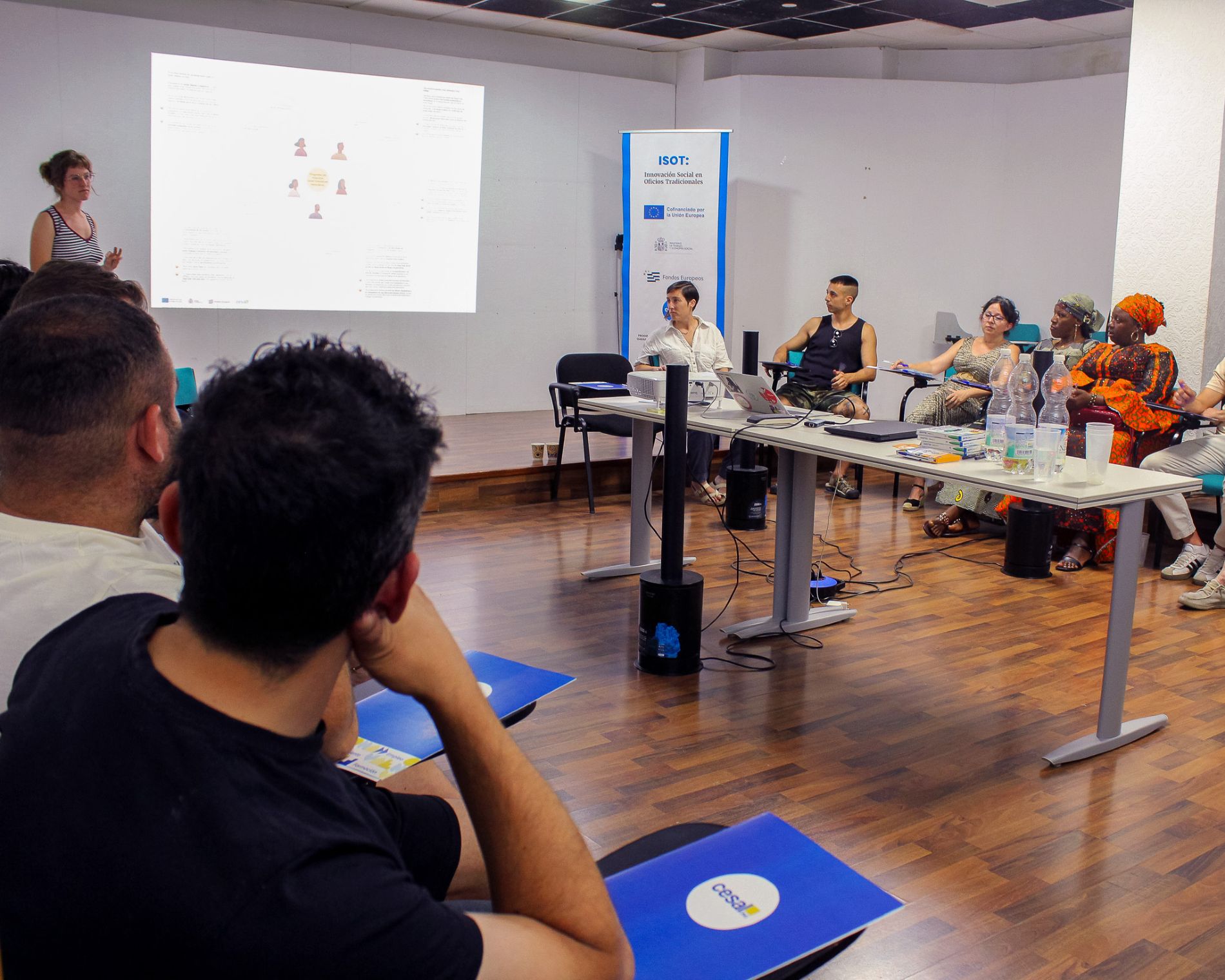
The ISOT project launches 10 community-based pilot projects for social and labor inclusion
To gather insights and lessons learned from the process, the ISOT project continues to promote various opportunities for community listening and dialogue with the stakeholders involved. Evaluation and continuous improvement are integral to the initiative’s design, based on the understanding that the best solutions emerge and work best when they are developed collectively.
ISOT is a project co-financed by the Ministry of Labor and Social Economy and the European Social Fund Plus (ESF+). It receives methodological support from the Agirre Lehendakaria Center, which is responsible for the project’s formative evaluation, and from the University of Granada (UGR), which is in charge of developing the methodological guide and systematization.
A diverse, multisectoral space for co-creation
With the purpose of transforming the region’s challenges into real opportunities, a co-creation workshop was held on June 24 with more than 20 participants. The event stood out for the diversity of the participants, successfully bringing together key stakeholders from the area.
The breakout sessions brought together professionals from the Social Services departments of the City Council and the Provincial Council of Granada, students from the University of Granada’s Master’s Program in Psychopedagogical Intervention, and social organizations such as Provivienda, the Don Bosco Foundation, and CIC-Batá. The local business community was represented by leaders from the baking sector—such as the Alfacar Bakers’ Association, Zarina, and Sabor a Pan de Víznar—alongside the true protagonists: the students themselves enrolled in the project’s Bakery and Pastry courses.
This diverse ecosystem gave rise to 10 social innovation prototypes, which were distributed and developed across four working groups:
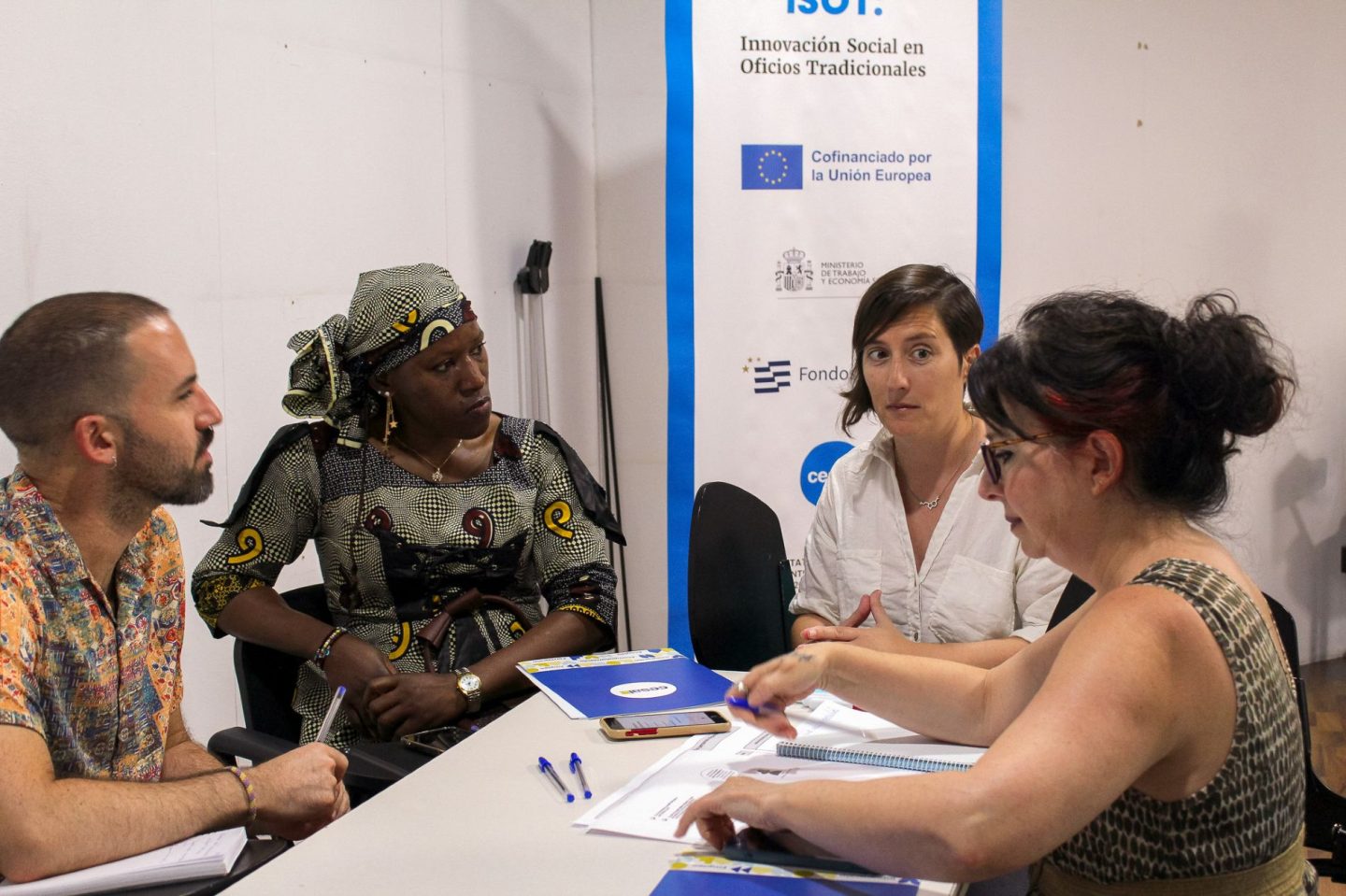
Table 1: Mobility and Generational Transition in the Bakery Sector
Challenge: Address the lack of adequate transportation for bakery workers to commute to their workplaces and training sessions.
1.-Accessible Individual Transportation Project: Agreements to provide bicycles or electric scooters (through loans or grants) to workers in rural areas without public transportation.
2.-“Let Me Get There Earlier” (Worker-Friendly Spaces): Negotiating flexible schedules with employers and setting up rest areas in public spaces for those who work early in the morning and lack bus connections.
3.-“Our Town, Our Bread”: An initiative in Alfacar focused on reviving and highlighting the town’s historical memory and baking tradition. Through this cultural revival, the goal is to ensure the next generation of artisans in artisan bakeries by bringing together master bakers and apprentices, complemented by campaigns to promote local products.
Table 2: Integration and Administrative Regularization
Challenge: Overcoming the challenges of social and labor market integration for people in the process of regularization.
4. Community Welcome and Counseling Fair: Regular, safe gatherings (fairs) that bring together in one place legal assistance, translators, help with basic administrative procedures, and support from migrants who are already familiar with the area.
5. Physical and digital resource guides: An easy-to-use tool (with maps, QR codes, and pictograms) to bring together all useful information on employment, housing, health, and administrative procedures.
6. Advocacy campaigns: Collecting signatures and mobilizing citizens to urge institutions to change the laws and regulations that hinder inclusion.
7. Awareness-raising in public spaces: Activities in streets and squares to break down prejudices in a hands-on way and improve coexistence among neighbors.
8. Comprehensive welcome program: Employment workshops and mentoring combined with a network where established migrants guide and support those who have just arrived.
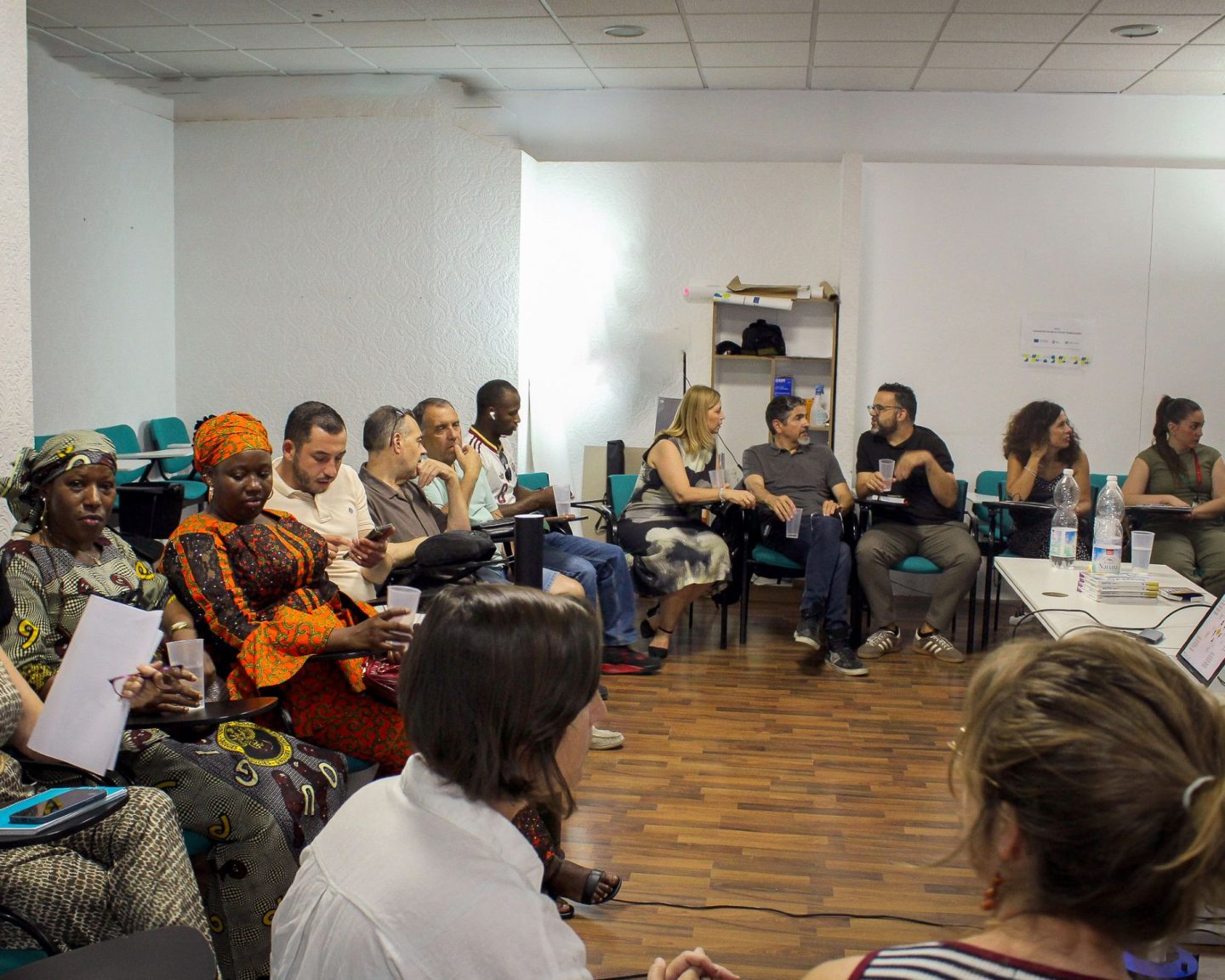
Table 3: Overcoming the Language Barrier
Challenge: To facilitate Spanish language learning in training and workplace settings.
9. Pre-employment skills for all: Spanish classes and digital skills training within companies themselves (during breaks or work hours) using artificial intelligence to provide personalized support. The goal is for language learning to be a shared responsibility between the company and the participant, rather than the participant’s sole responsibility.
Table 4: Access to Affordable Housing
Challenge: Reduce the housing shortage and the additional barriers migrants face when renting.
10. “All or Nothing” (Housing Alternatives): Create temporary and permanent housing in towns and cities, using public or donated housing, and offer financial assistance or guarantees to facilitate renting.
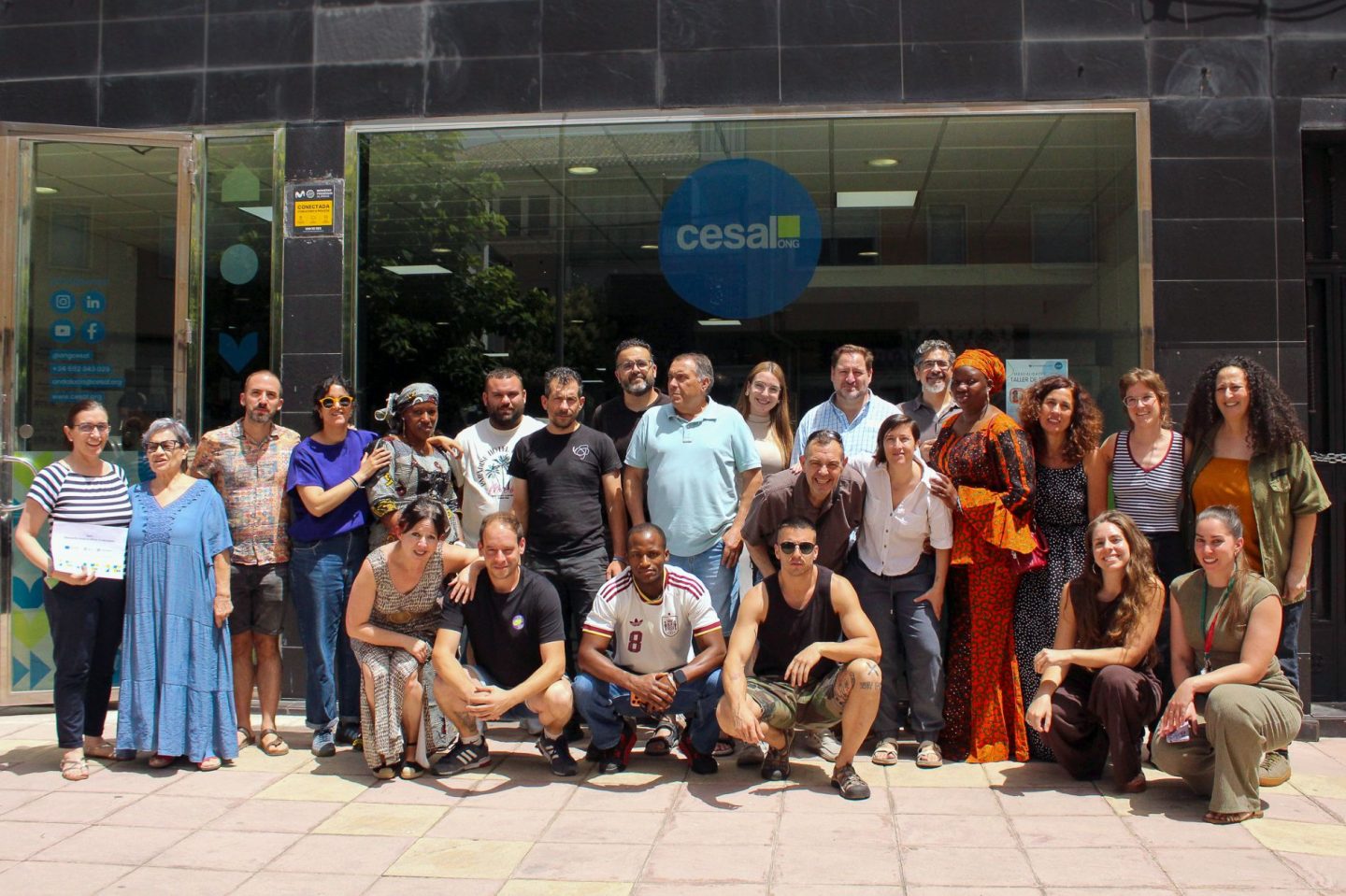
Next Steps and Network Vision
These 10 solutions do not operate in isolation; rather, they are interconnected within a single ecosystem. As next steps, the proposals have been systematized within the Ktool digital tool to keep the process active and enable collaborative management. This platform will allow us to designate leaders for each proposal, map resources, and update the solutions based on the lessons learned.
Under the evolutionary evaluation approach, the goal is not to choose a single idea, but to test this set of solutions simultaneously. This will foster networked learning that allows us to quickly and collectively identify what works and what needs to be adjusted.