Rethinking traditional trades training
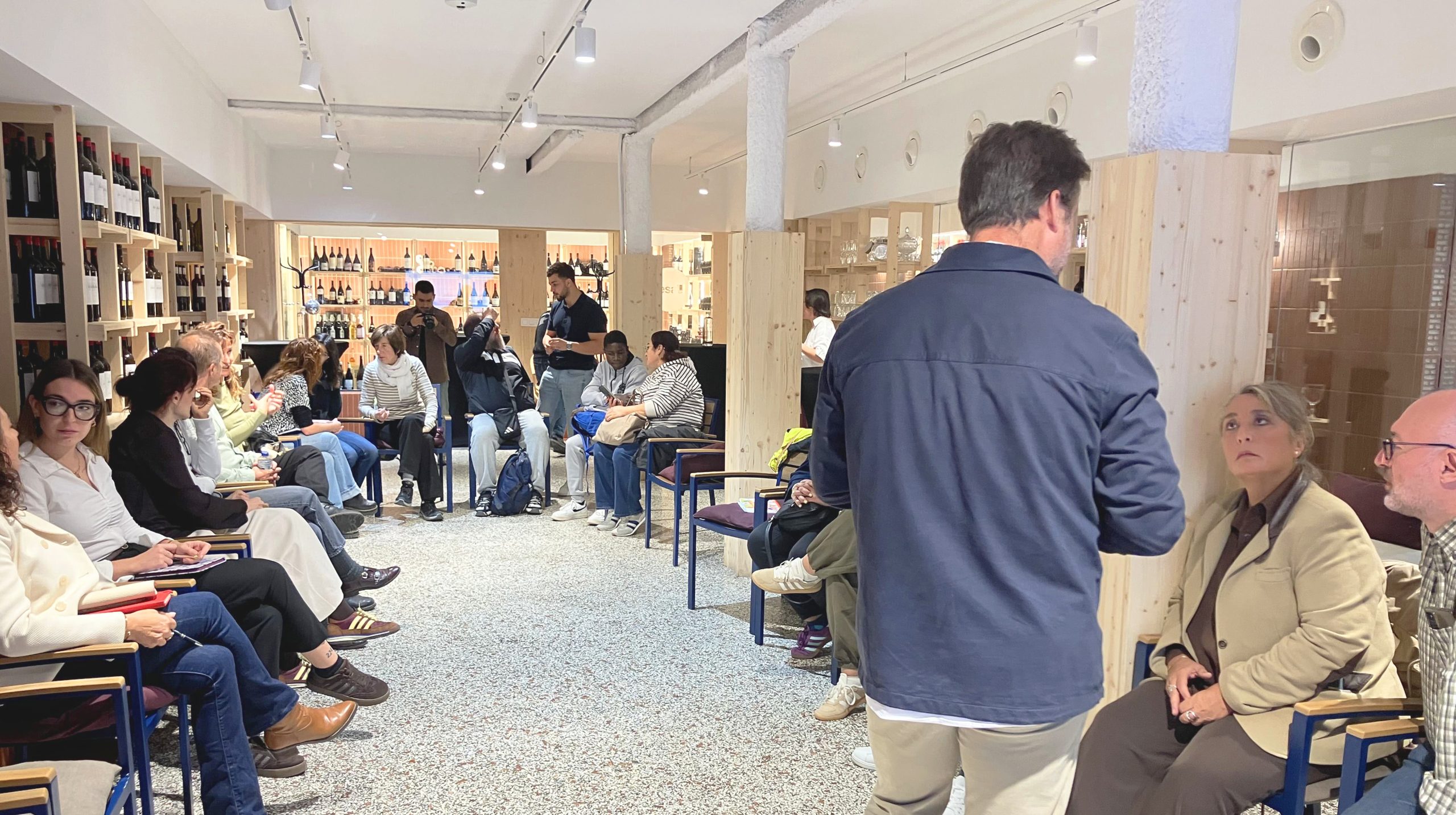
On Friday, October 23, the San Cristóbal School Market hosted the first co-creation meeting of the Social Innovation in Traditional Trades (ISOT) project. The event brought together some thirty participants affiliated with CESAL, primarily social organizations and public administration bodies.
This collaborative effort addressed a specific and urgent concern: How can we adapt our training programs to the current and future needs of young people? The discussion examined recent legal reforms (including the European Pact on Migration and Asylum) that affect the day-to-day operations of social organizations, particularly the shortened timeframes in the international protection reception system.
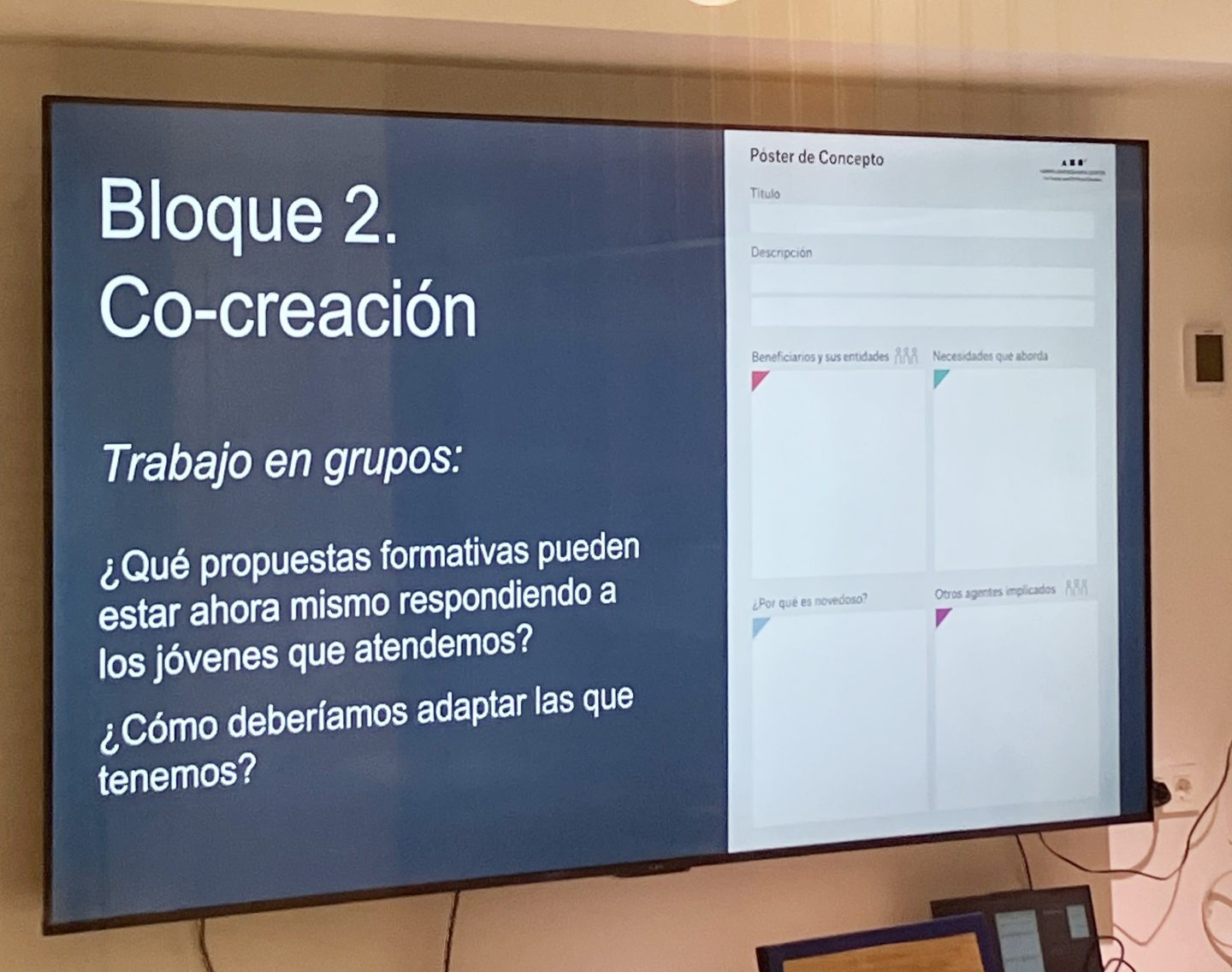
During the listening session, clear proposals were gathered to address their specific needs:
- Shorter, modular courses leading to quick certifications.
- Practical, skills-based training, such as obtaining a driver’s license.
- Looking beyond the classroom: emotional support during the transition to adulthood and assistance with accessing housing.
- A specific focus on rural areas, where versatile skills are needed more than highly specialized ones, supported by local working groups to facilitate integration.
- A stronger connection to the actual needs of hiring companies.
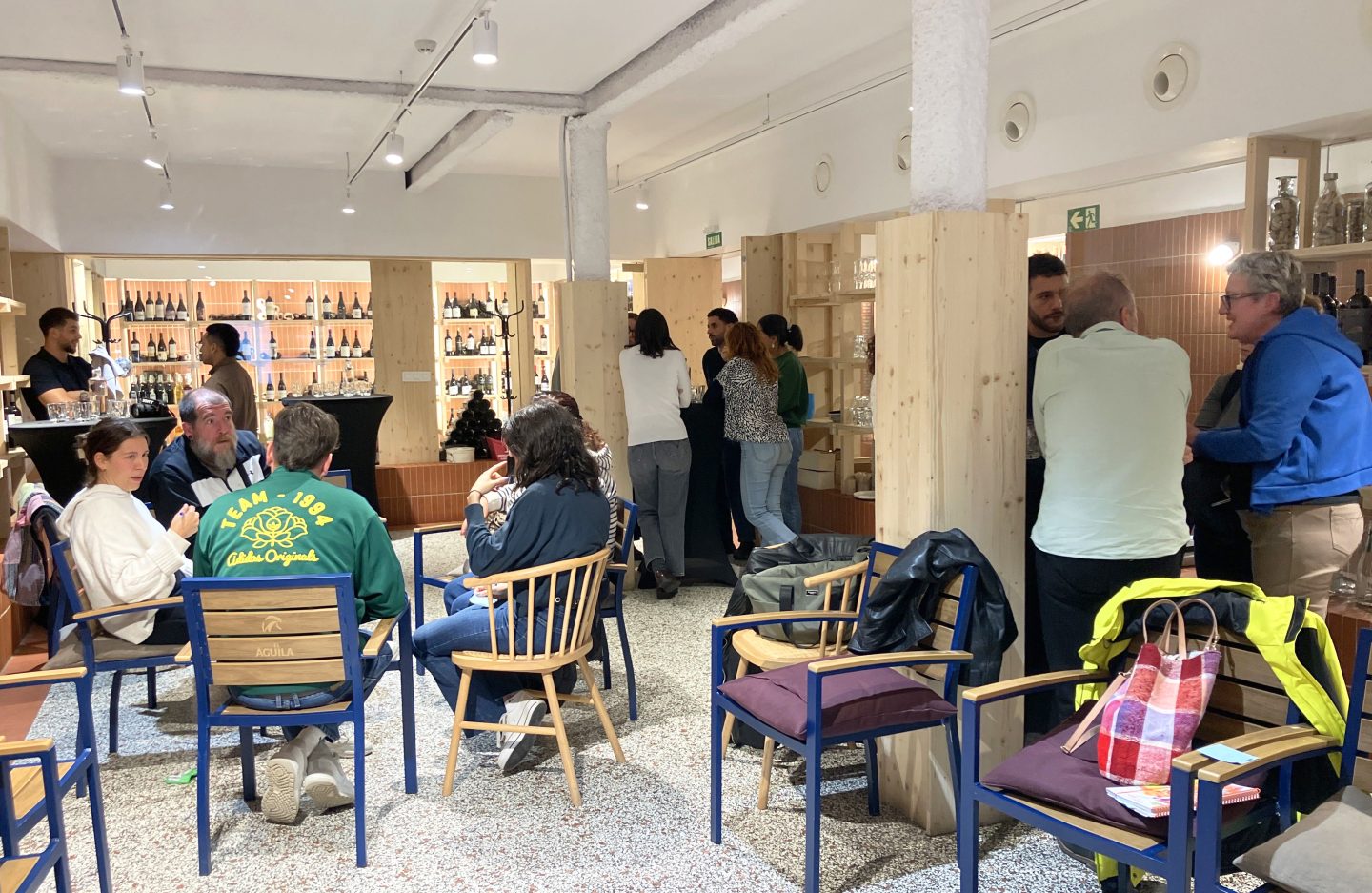
Based on this assessment, participants worked in groups to develop five proposals for pilot training programs that bring these ideas to life:
- Manitas 360 Training: A three-month basic theoretical and practical course in maintenance trades (electricity, landscaping, etc.) to train versatile professionals such as building maintenance workers, thereby reviving traditional trades facing a lack of successors.
- Work-Study Training in DIY and Technical Trades: A 200-hour program with the workday divided equally between theory and paid work at companies. It stands out for offering the possibility of subsidizing a driver’s license and for targeting both urban and rural areas.
- “Overcoming Inertia” (High-Demand Jobs): An initiative focused on trades such as caregiving (aiming to destigmatize female-dominated sectors) and mechanics. It proposes a long-term approach that respects the participant’s true calling rather than forcing a quick but precarious entry into the workforce.
- Fishing Training: An intensive one-month project to be carried out in coastal areas to decentralize training away from the big city. It seeks to build on the prior knowledge of young migrants, helping to repopulate areas affected by depopulation.
Multipurpose Fresh Produce Assistant: A 180–200-hour training program focused on preparing workers to rotate through the deli, fish counter, butcher shop, and bakery. It is designed to meet the enormous demand in the labor market at large supermarkets.